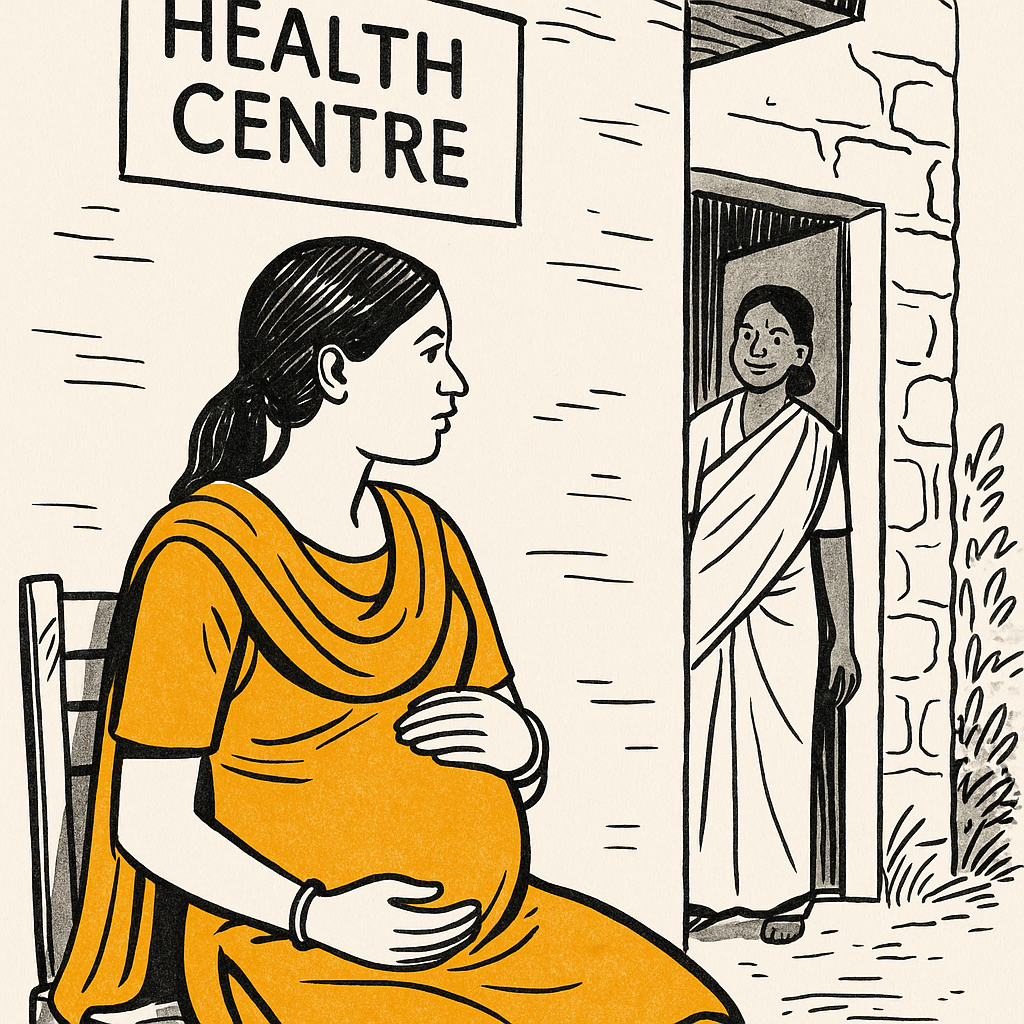
In a village in Gujarat’s Bhavnagar, a 22-year-old mother-to-be walks each month to the local healthcare centre. Her heart brims with hope and tender dreams of the memories she will one day weave with her newborn child. A warm sun follows her steps, while the air carries the dry sweetness of bajra fields and the dust of the roads. At the healthcare centre, kind hands greet her. The doctors and nurses listen carefully, guiding her through every stage of pregnancy. They check her heartbeat and ensure her body receives the nourishment it needs with vitamins and supplements, tailored just for her, with promises of a healthier tomorrow.
Months later, her cries of labour turn into the first wail of her newborn son — a healthy boy weighing 3.2 kilograms. His tiny fingers curl around hers, and in that moment, she feels the fulfillment of all her careful steps and sleepless nights.
Yet, beyond her village, across countless corners of India, there are still millions of mothers who walk their journeys alone. They face their pregnancies without guidance, unaware that their own well-being is the foundation of their child’s future. They carry the weight of fear and their children’s futures, some hoping for, and others unaware of care they can receive.
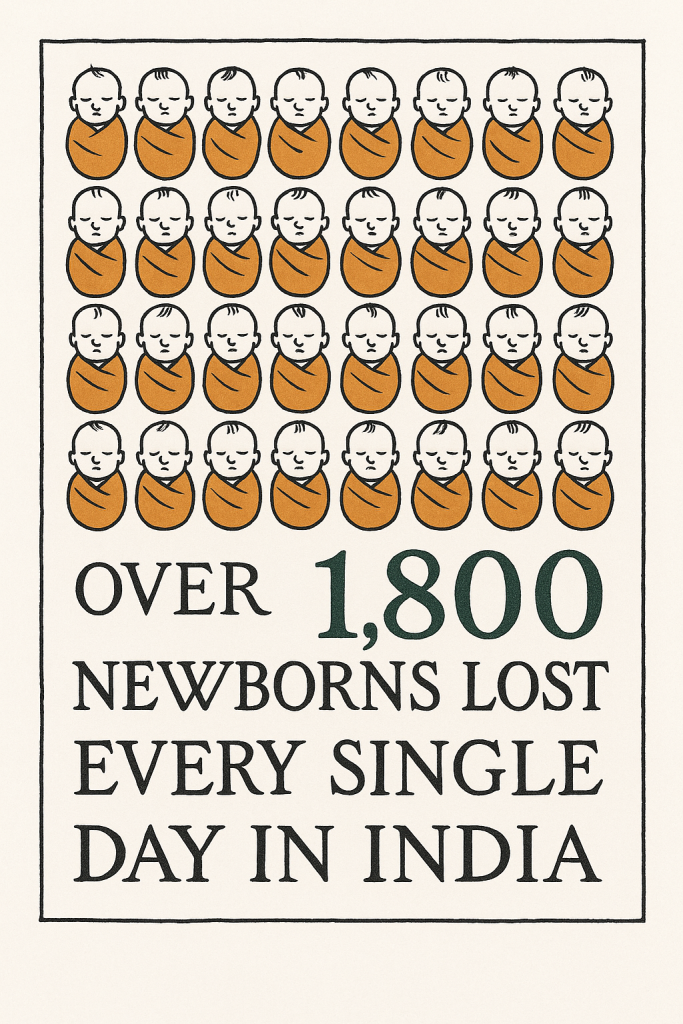
According to the Registrar General of India, the infant mortality rate (IMR) in 2020 was 28 per 1,000 live births, meaning one in every 36 infants dies before completing their first year of life. This translates to roughly 1,800 deaths per day, summing up to over 650,000 infant deaths annually.
Although the global infant mortality rate declined by 58% from 64 deaths in 1990 to 27 deaths per 1,000 live births in 2023. On average, 9,700 children under age of 1 died every day in 2023, compared to 24,600 in 1990. Nearly 46% of all maternal deaths and 40% of neonatal deaths happen during labour or the first 24 hours after birth.
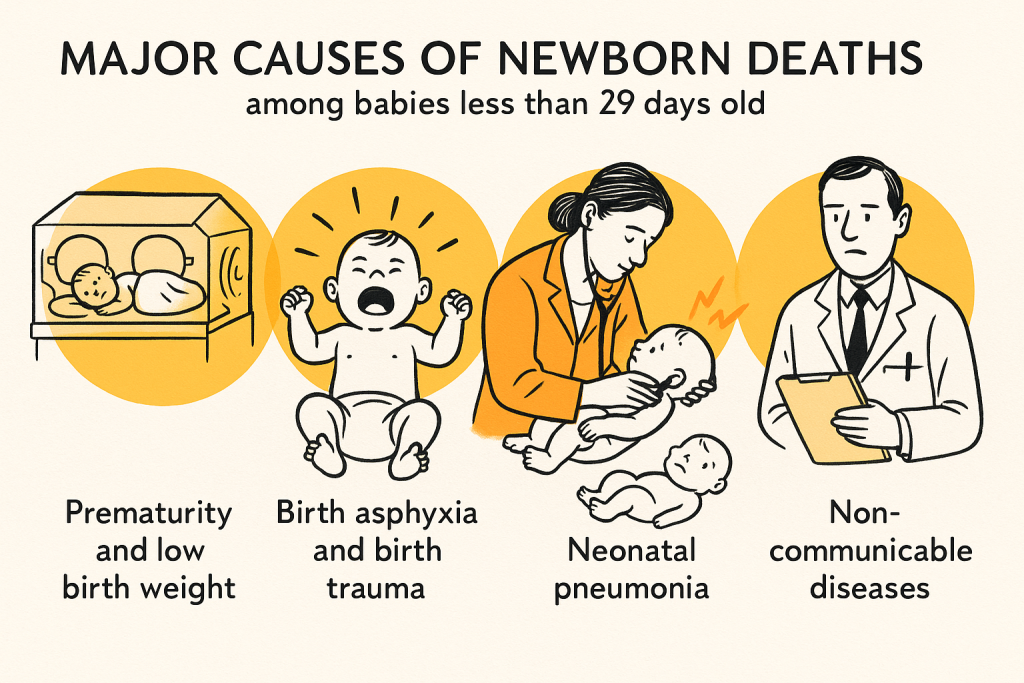
Some of the major causes of newborn deaths among babies less than 29 days old are: prematurity and low birth weight, birth asphyxia and birth trauma, neonatal pneumonia and non-communicable diseases.
Why Essential Newborn Care still Slips through the Cracks?
Neonatal mortality continues to pose a critical public health challenge in rural India, with birth asphyxia — defined as the failure to initiate and sustain breathing at birth — emerging as a leading cause of death within the first hours of life. While healthcare facilities may be physically accessible, the consistent implementation of essential newborn care practices remains suboptimal. Interventions such as immediate drying, skin-to-skin contact, delayed cord clamping, and early initiation of breastfeeding are frequently missed or improperly executed, resulting in preventable neonatal deaths. In fact, a study in Uttar Pradesh found that only 26.1% of newborns received the recommended ENC practices in public health facilities.
Skill Decay in Rural Health Systems: Addressing the Gaps in Post-Training Support
Neonatal resuscitation training is often provided through workshops; however, without regular refresher courses and practical sessions, skill retention diminishes over time. This gap is particularly evident in Mobile Medical Units (MMUs), Primary Health Centres (PHCs) and remote delivery points, where continuous training opportunities are limited. Many rural health workers (ASHAs, ANMs, MMU staff) receive initial training, but rarely get refresher sessions, hands-on practice or supervised feedback. As a result, life-saving interventions — like bag-mask ventilation for birth asphyxia or proper newborn care — may be performed incorrectly or not performed at all.
The First Minute Matters — But Tradition Often Gets in the Way
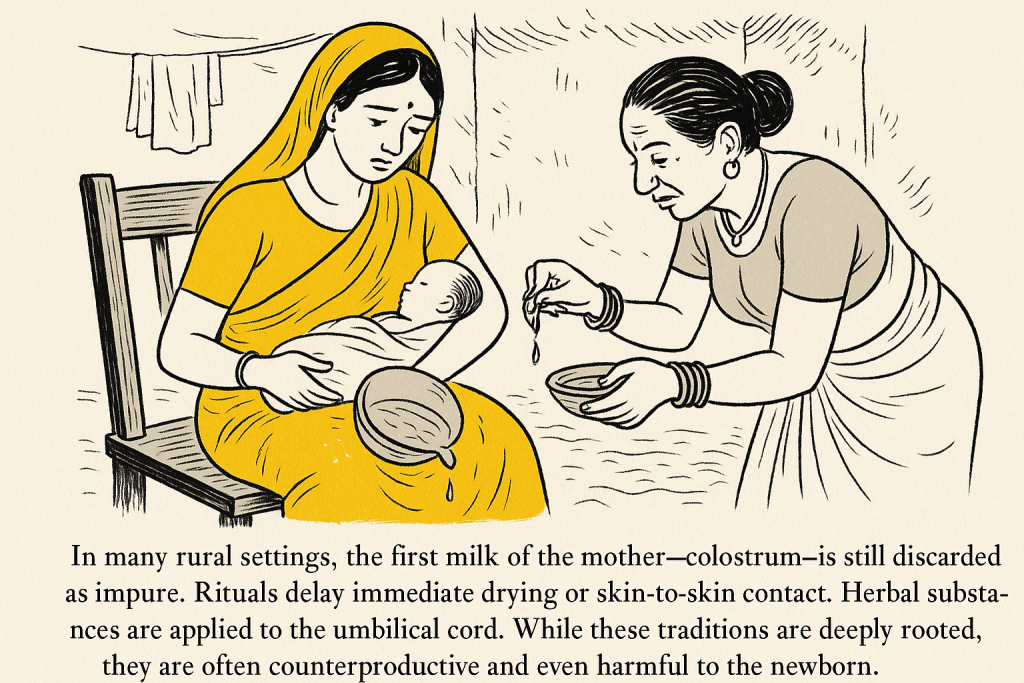
Deeply rooted cultural norms and traditional practices often delay the timely adoption of essential newborn care. For example, immediate drying and skin-to-skin contact — critical for preventing hypothermia — may be postponed due to rituals surrounding bathing or waiting for elders to arrive. Similarly, colostrum, the first milk rich in antibodies, is sometimes discarded because of the belief that it is impure. In other cases, herbal substances are applied to the umbilical cord, increasing the risk of infection. When newborns fall ill, families may also turn first to community-based practitioner outside the formal health system rather than trained health workers, leading to dangerous delays in appropriate treatment.
Prematurity and Low Birth Weight: Hidden Drivers of Neonatal Deaths
Premature birth and low birth weight significantly increase the risk of neonatal morbidity and mortality. Studies suggest prematurity accounts for approximately 30-35% of neonatal deaths in India.
Neonatal Infections: Preventable Yet Persistent Threats
Sepsis, pneumonia and meningitis continue to claim newborn lives, especially in areas where hygiene and infection control are inadequate. Infections are responsible for an estimated 25–30% of neonatal deaths. Conditions like severe jaundice and metabolic disorders, if left untreated, can lead to irreversible damage. Early detection and timely interventions are lifesaving, yet often delayed, and thus, infection is estimated to cause around 25-30% of neonatal deaths.
What We Miss About Newborn Health Starts with the Mother
Maternal health is the foundation of neonatal survival. Conditions like anemia, hypertension, diabetes and infections increase the risk of preterm birth, low birth weight and birth asphyxia. Inadequate antenatal care further compounds these risks, especially where emergency obstetric services are scarce. Strengthening maternal health systems is not just a women’s issue—it’s a newborn survival imperative.
Cultural and Religious Superstitions Leading to Infant Mortality in Rural India
In rural India, deeply ingrained cultural and religious beliefs continue to contribute significantly to infant mortality. These practices often stem from traditional customs, superstitions, and societal norms that place newborns, especially girls, at risk.
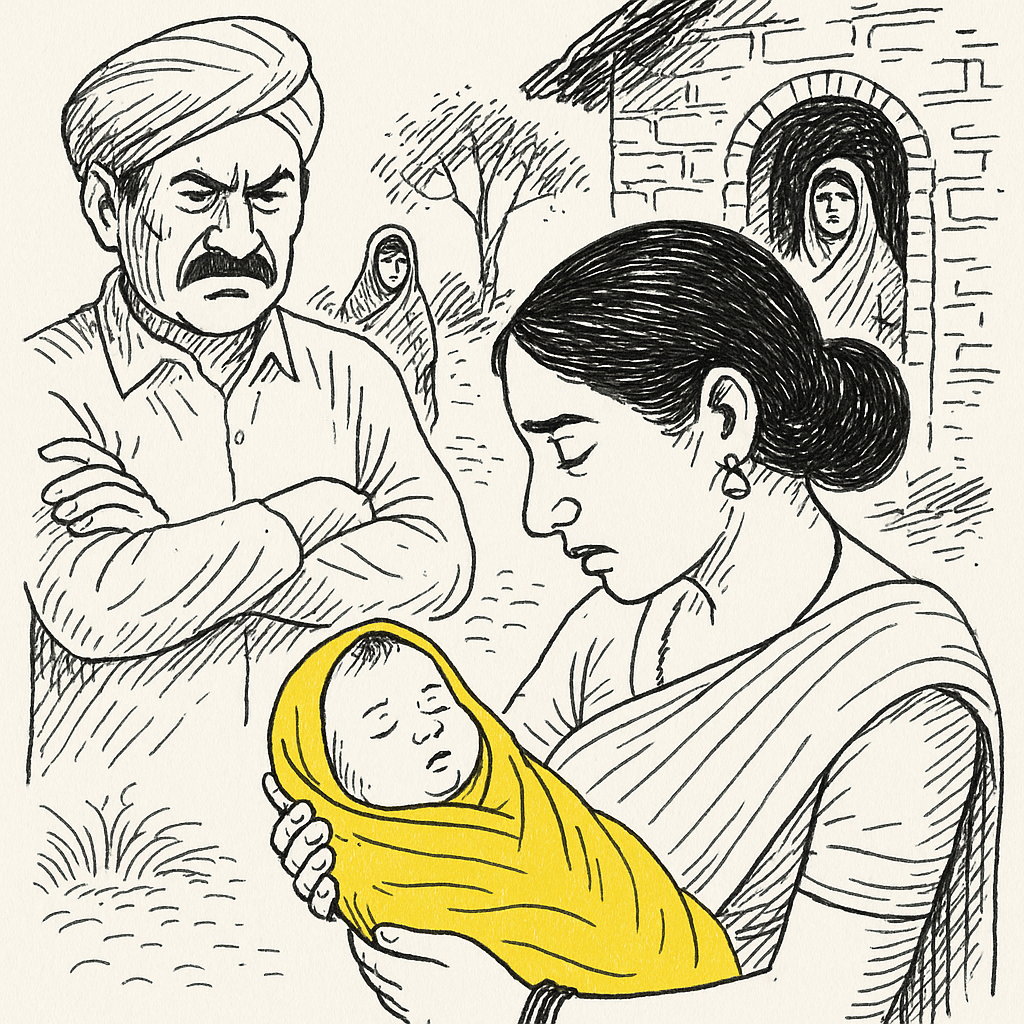
In certain rural regions of India, the birth of a girl is still viewed through the lens of economic burden and diminished social value — largely driven by dowry traditions and entrenched patriarchal norms. This perception has led to deeply troubling practices, including female infanticide and abandonment.
Buried Voices: The Unspoken Horror of Female Infanticide
A harrowing example occurred in October 2019 in Uttar Pradesh, where a newborn baby girl was discovered buried alive in a shallow grave. She had been wrapped in cloth, placed inside a clay pot and buried two feet beneath the earth — only to be discovered and rescued by a grieving family preparing a grave for their own stillborn child.
Ritualistic Cultural Extremes Threatening Child Safety
Despite legal prohibitions, ritualistic killings persist in isolated communities. Certain communities continue to practice ritualistic killings under the belief that child sacrifice can bring prosperity or appease supernatural forces. These acts, rooted in occult traditions and extreme superstition, represent one of the most violent expressions of cultural misbelief. A tragic case emerged in April 2025 in Chhattisgarh, where a seven-year-old girl named Lali Goswami was abducted and murdered by her own relatives as part of an occult ritual. The perpetrators believed that the sacrifice would bring them wealth. The crime was carried out in a cremation ground and the body was buried nearby in an attempt to conceal the act.
The Cultural Lens That Shapes Infant Health Decisions
In several communities across India, traditional newborn care practices — though dangerous to both mother and child — is widely prevalent. One common example is the application of substances like kohl, oil, or herbal powders to the umbilical cord to hasten its detachment. These practices can introduce infection, delay healing and increase the risk of sepsis.
Smile Foundation’s Operational Footprint in Rural Health Delivery
Mobile Healthcare Units: Bridging the Accessibility Gap
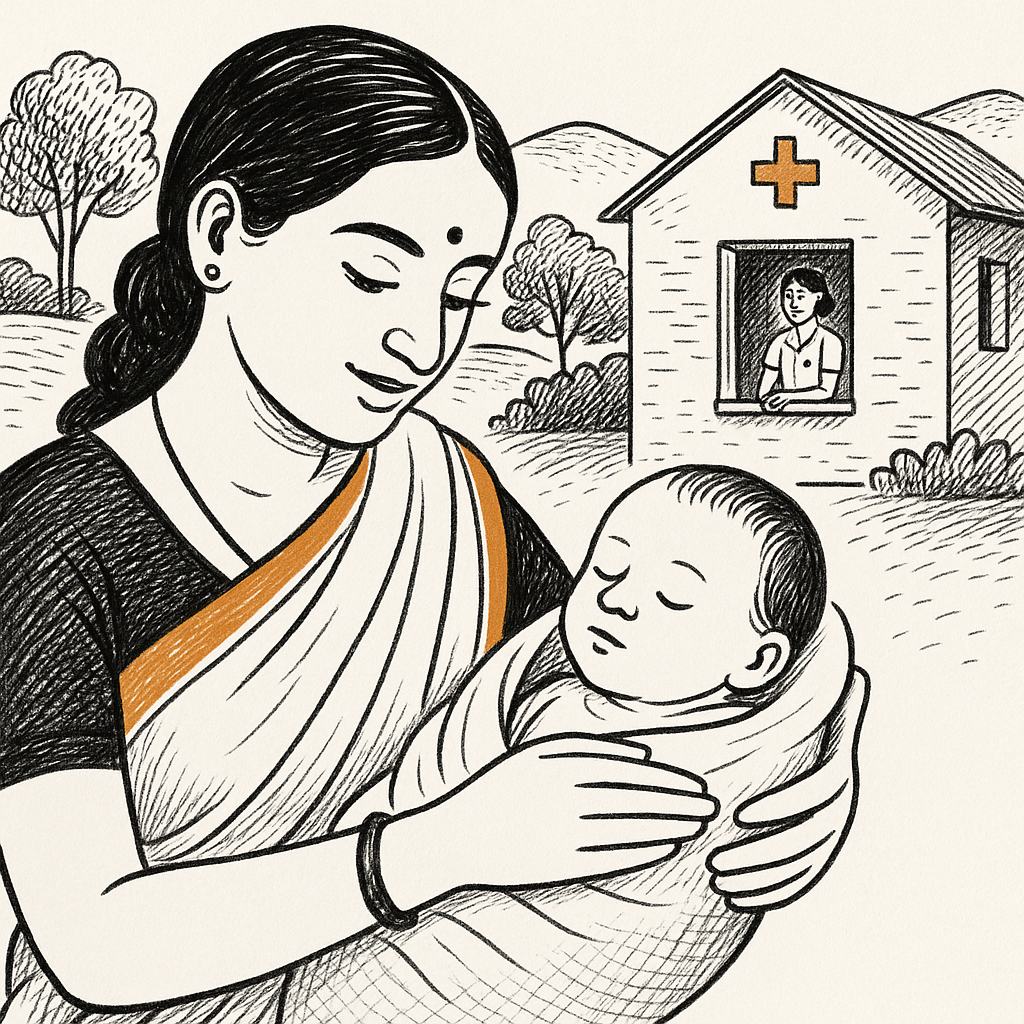
In remote areas where healthcare facilities are scarce, Smile Foundation’s Smile on Wheels initiative has been a game-changer. “Before Smile on Wheels, we had to travel miles to get basic medical care. Now, the clinic comes to us, and my children receive regular check-ups,” says a resident of a remote village in Rajasthan. These mobile medical units provide essential services such as antenatal check-ups, immunisations and postnatal care directly to communities. This approach ensures that even the most isolated populations receive timely medical attention.
Impact:
- Over 10,00,000 people received healthcare services in 2022-23, with 75% being women and children.
- 80,000+ people benefited through telemedicine projects.
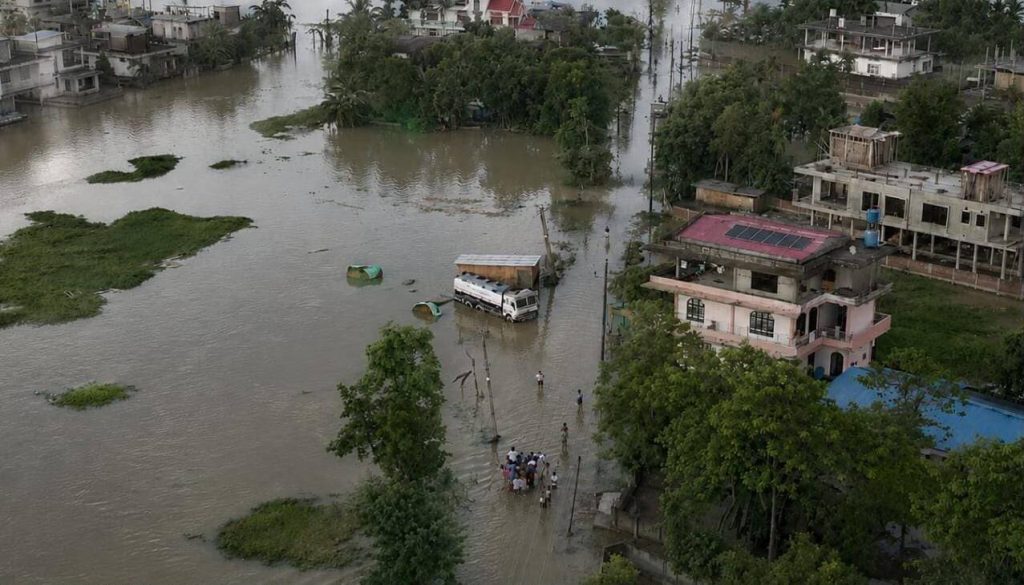
- 77,000+ people received relief support under emergency & disaster response.
Smile Foundation has integrated Godh Bharai into health campaigns. These events serve as platforms to educate expectant mothers about nutrition, breastfeeding and hygiene, thereby promoting healthier practices within the community. In the past year alone, over 76,000 women were sensitized on reproductive and child health through door-to-door visits, community mobilization sessions, street plays, couple counselling and more.
Addressing Anaemia and Malnutrition
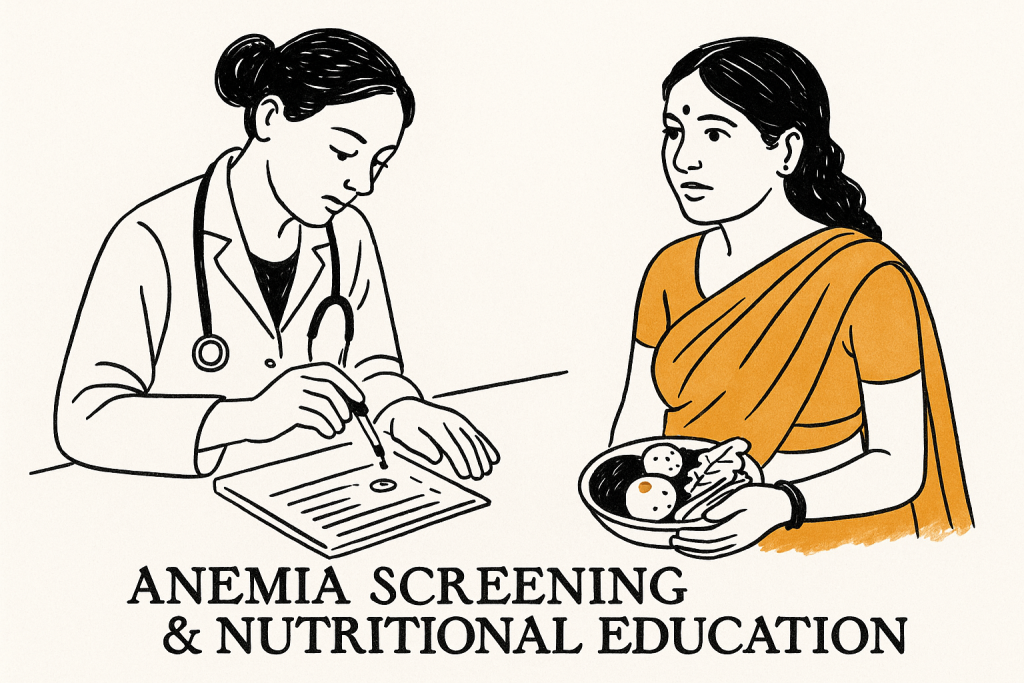
Anaemia and malnutrition are prevalent among women and children in rural India. Smile Foundation’s Pink Smile project in Mathura’s Chatta Tehsil aims to tackle these issues through anemia screening camps, nutritional education and supplementation. “I never realized how important my diet was during pregnancy. The sessions taught me how to eat right for my baby’s health,” says, a mother from Sangrur district, Punjab. In its pilot phase, the programme reached over 4,200 individuals and plans to expand its reach to over 40,000.
Impact:
- The programme reached 23 villages and impacted over 60,000 people, including pregnant women, lactating mothers and young children and their families.
- Through this effort, Smile teams and officials held 260 health camps offering nutrition and anaemia screening.
- Conducted nearly 9,750 community sessions and home visits on diet and self-care.
Empowering Women through Education and Awareness
Smile Foundation emphasises the importance of educating women about their health rights and available services. “I used to be afraid of childbirth, but after attending the workshops, I feel more prepared and confident,” says a participant from Bihar. Through workshops and awareness campaigns, the foundation empowers women to make informed decisions about their health and the health of their children.
Impact:
- Over 76,000 women were sensitised on reproductive and child health through various community outreach programs.
Born into a family facing financial hardships, Gaurav’s parents initially delayed seeking medical care due to the cost. However, with the support of Smile Foundation’s healthcare services, Gaurav received timely treatment and is now healthy and thriving.
A Shared Roadmap for Safer Births and Stronger Futures
The real impact of maternal and newborn health initiatives emerges when families understand and embrace evidence-based practices, replacing harmful beliefs.
Swabhiman focuses on empowering women with information about postpartum health, including hygiene, nutrition and newborn care. By conducting awareness sessions, Smile Foundation encourages women to seek care without shame or delay, thereby improving maternal health outcomes.
In partnership with ICDS and the PepsiCo Foundation, Smile Foundation organised breastfeeding demonstrations, emphasising the benefits of proper attachment and positioning. These sessions educated caregivers on the importance of breastfeeding for both mother and child.
Without addressing entrenched beliefs and misinformation, even the best medical interventions risk being underutilised. Too many newborns have been buried under the weight of myths. But awareness has the power to break that cycle — every child deserves to enter the world embraced by love, not burdened by myths. When families learn, when communities choose care over harmful tradition, we create a future where no newborn is claimed by myth. Each of us has a role to play — whether by supporting, by showing up or simply by helping communities unlearn practices that put newborns at risk.