
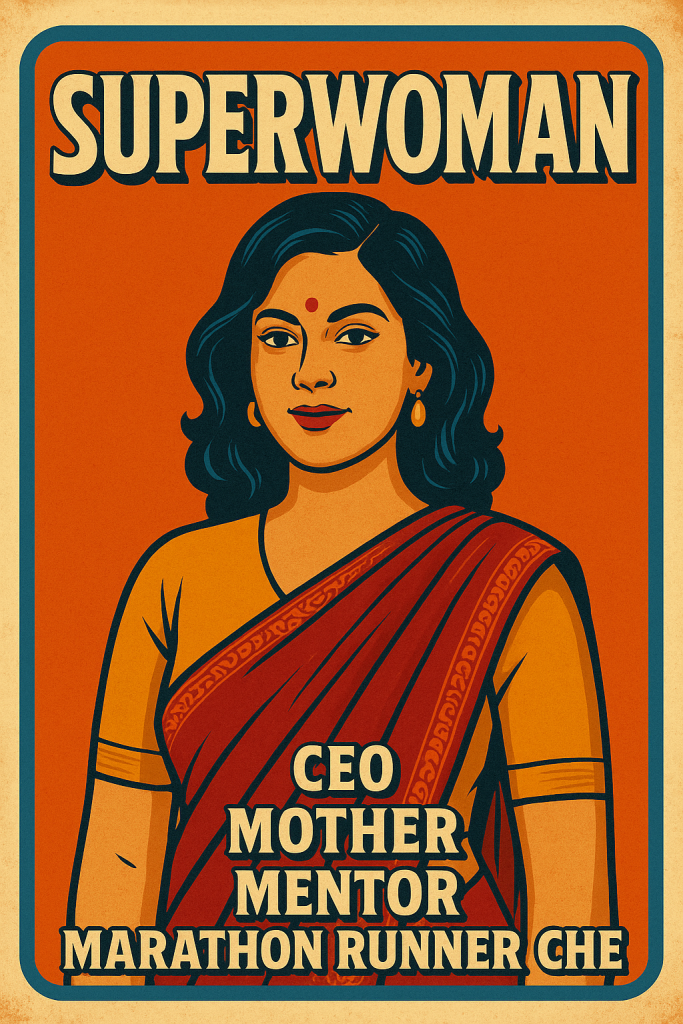
In India, when a woman make it to the top, they are celebrated like a Bollywood heroine or a superwoman in a triumphant climax scene. You’ve seen the headlines: “She cracked the glass ceiling,” “She’s proof you can have it all.” These women are splashed across glossy magazine covers — CEOs who close billion-dollar deals before breakfast, run half-marathons at lunch and still arrive at the PTA meeting with blow-dried hair and cupcakes in hand.
It’s the dream: having it all.
It’s also the trap: doing it all.
Because if you actually talk to these women, another story emerges. Fatigue. Guilt. That gnawing sense of “not enough.” And hovering over it all — impostor syndrome.
From “Lean In” to “Lie Down”
At some point between Sheryl Sandberg urging women to lean in and corporate India rolling out glossy “girlboss” campaigns, the narrative shifted. A new expectation emerged, one where not only should women break into boardrooms, but they must also be visionary leaders, doting mothers, tireless mentors and — why not — yoga influencers with green smoothies on the side.
The academic name for this cultural cocktail is neoliberal feminism. Catherine Rottenberg coined the term to describe how empowerment got rebranded as self-improvement. Basically: “Yes, inequality exists. But fix it yourself. Optimise harder. Be more confident. Sleep is optional.”
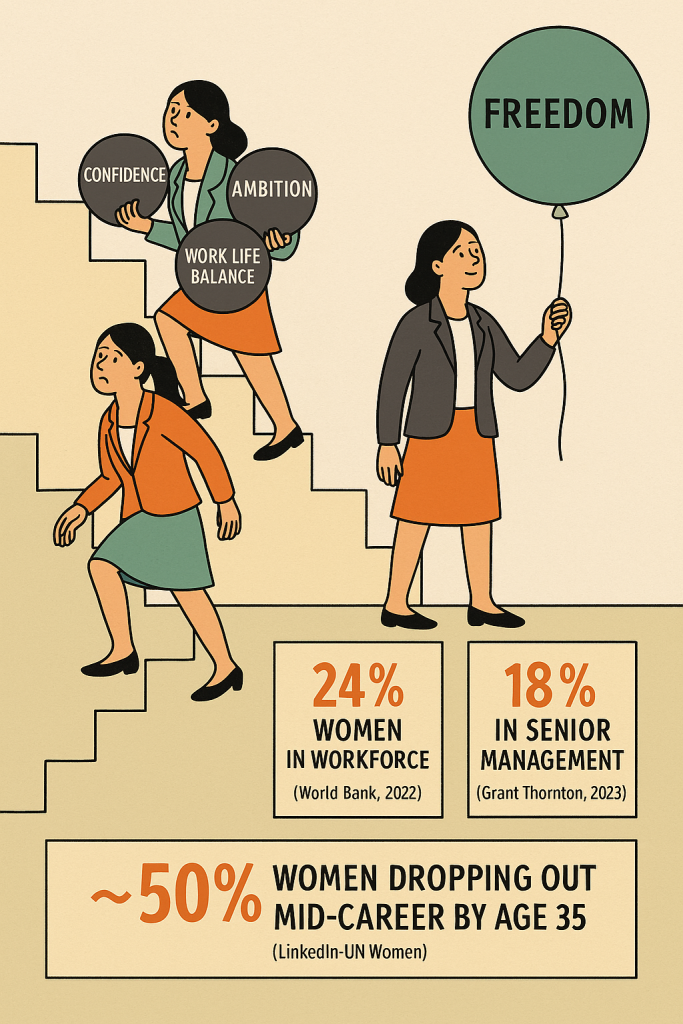
In India, where only 24% of women are in the workforce (World Bank, 2022) and just 18% occupy senior management roles (Grant Thornton, 2023), this message lands hard. For the lucky few who do make it, the seat at the table is never secure. Every day feels like an audition to prove they belong — much like a superwoman.
The Bollywood Version of Balance
Pop culture loves the image of the Indian “superwoman.” Think of films like English Vinglish where Sridevi effortlessly masters cupcakes, English grammar and self-respect, all in two hours flat. Or Kareena Kapoor in Ki & Ka, cycling in stilettos while climbing the corporate ladder. These heroines make multi-tasking look glamorous.
But real life? Not quite.
Take Ghazal Alagh, co-founder of Mamaearth, who bluntly calls work-life balance “a myth.” Her mantra is survival through non-negotiables like sleep, family weekends and joy. Everything else? Chaos.
Or Neerja Birla, who prefers the word “harmony.” Balance, she says, is utopian — life is a juggle, some balls drop and that’s okay.
Even Anita Bhogle, who has researched women’s leadership for decades, admits that even the most confident women are racked by impostor syndrome. In other words, no amount of degrees, awards or applause stops that inner voice from whispering: “You don’t really deserve this.”
And then there’s Ria, a marketing manager profiled in The Times of India, who confessed she re-reads every email five times, terrified that one mistake will expose her as a fraud. Her colleagues see her as a star performer. She sees herself as a ticking time bomb.
When the Pressure of being Superwoman Comes From Other Women
Here’s the plot twist no one likes to admit that sometimes the harshest critics are not men, but other women.
One Bengaluru executive told me: “I felt more judged by women colleagues than by men. It was like I wasn’t proving I could do it all.”
Scholars call this the queen bee phenomenon: women leaders distancing themselves from other women to survive in male-dominated spaces. It’s not about malice, it’s scarcity. Too few seats at the top, so solidarity gets replaced by competition.
Call it the sisterhood dilemma: we want more women in power, but when they get there, we sometimes police them with impossible standards.
Solidarity in Action: What Happens When Women Lift Each Other
This scarcity-driven competition isn’t inevitable. When women have systemic support, the results look very different.
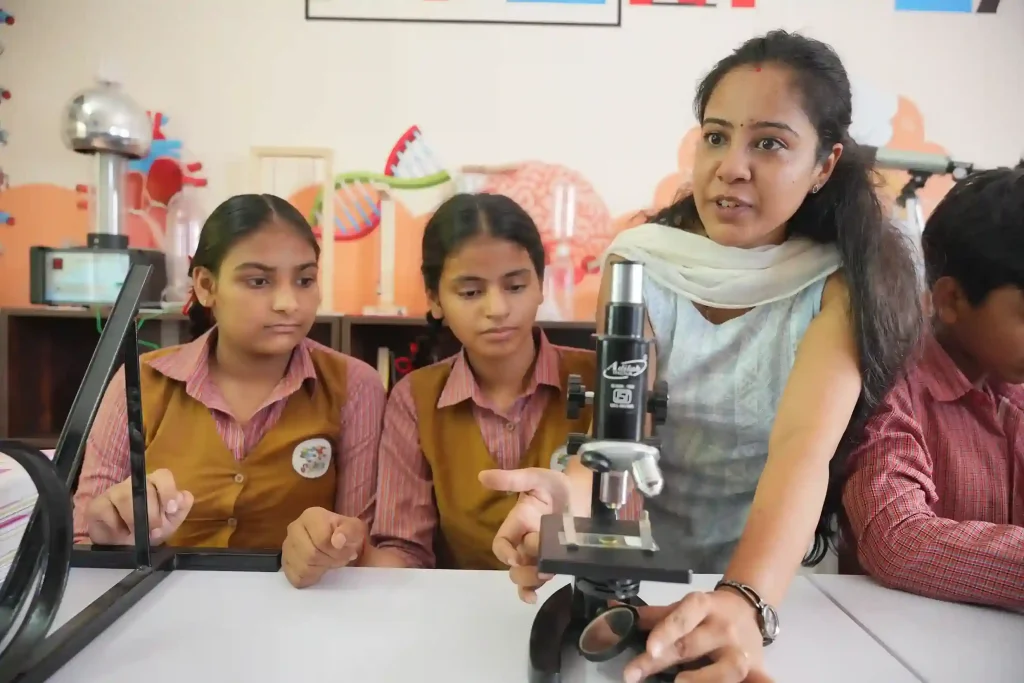
Take Smile Foundation’s women’s empowerment programme, Swabhiman. Across India, Smile has built networks of women who are not just workers but leaders in their communities — self-help groups, skilling initiatives and entrepreneurship support that give women real economic agency.
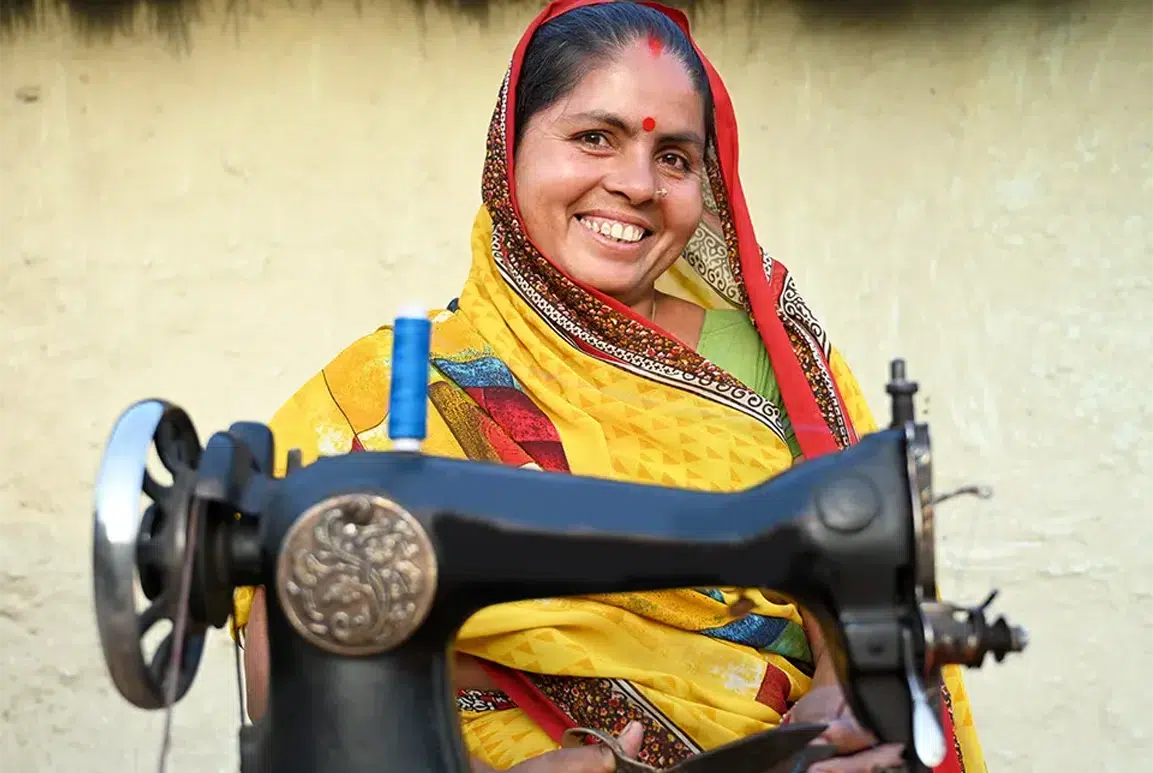
For instance, through vocational training centres, thousands of young women have learned skills in digital literacy, retail, tailoring and healthcare — allowing them to step into workplaces with confidence and financial independence. In rural areas, Smile Foundation works with women’s groups to provide livelihood support that doesn’t just help individuals, but lifts entire families.
What’s striking is how this programme create solidarity. Instead of competing for scarce seats, women support each other to grow. The message shifts from “prove you can do it all” to “let’s build together.”
It’s a reminder that impostor syndrome isn’t only a personal problem. It’s shaped by culture and systems. Change the system and you change the story.
Why Confidence isn’t the Problem
Traditional advice goes like this. Women just need to “be more confident.” But impostor syndrome among Indian women leaders shows that confidence isn’t the problem. Culture is.
Think about it. Why is confidence demanded more from women than from men? Why is self-doubt treated as weakness when, in reality, everyone — yes, even CEOs — has it?
In truth, the problem isn’t women’s lack of confidence. It’s the cultural insistence that women should be endlessly competent, endlessly available, endlessly graceful. That they must work late, raise perfect children, maintain six-pack abs and smile while doing it.
It’s empowerment disguised as exhaustion.
The Real Mirror of Superwoman
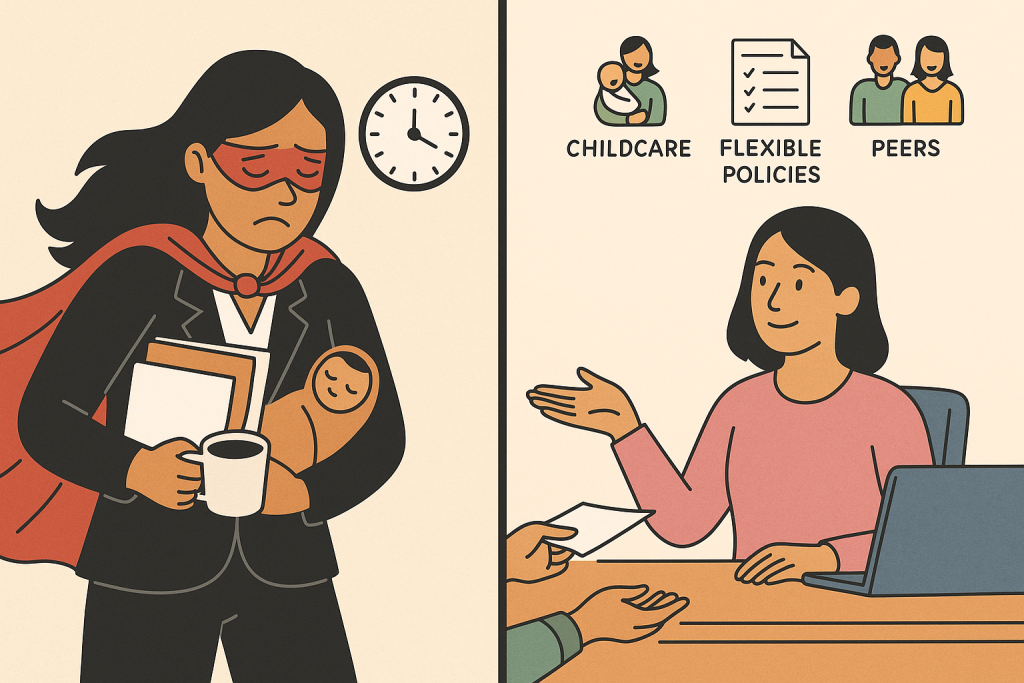
Bollywood has long romanticised women who do it all. The mother who sacrifices everything, the working woman who never misses a puja, the heroine who sings while stirring dal. But rarely do we see the costs of the burnout, the cracks, the desire to just say “no.”
Perhaps it’s time for new scripts. What if the heroine took a nap instead of a promotion? What if she said, “Actually, I can’t have it all and that’s fine.” That might not sell movie tickets. But it could change workplaces.
Towards Authentic Role Models
What Indian workplaces really need are not perfect role models, but authentic ones. Leaders who admit they struggle. Who show it’s okay to ask for help. Who let vulnerability be visible.
That requires systemic shifts too:
- Flexible policies: childcare support, parental leave, remote work options.
- Cultural change: stop equating long hours with loyalty.
- New narratives: celebrate leaders for impact, not for superhuman juggling acts.
Because the truth is women don’t want to stop leading. They just want to stop performing.
The Mask Slips
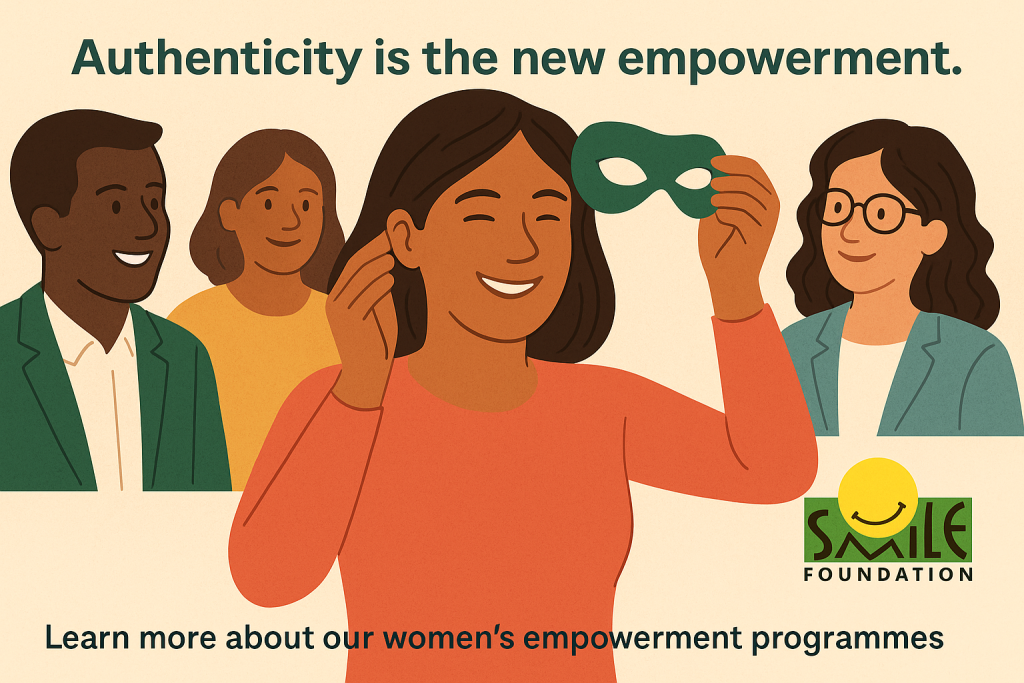
One executive said it best: “There is a need for some kind of mask. But what if I want to take it off?”
Maybe it’s time we let her.
Not the flawless “superwoman” of ad campaigns, but the real woman — ambitious, messy, brilliant, vulnerable.
That’s not weakness. That’s the future.
And if we are serious about building that future in India, we need fewer women asked to “have it all” and more women given the tools, opportunities and support to simply have what they choose.
That’s the story Smile Foundation is quietly helping write.