


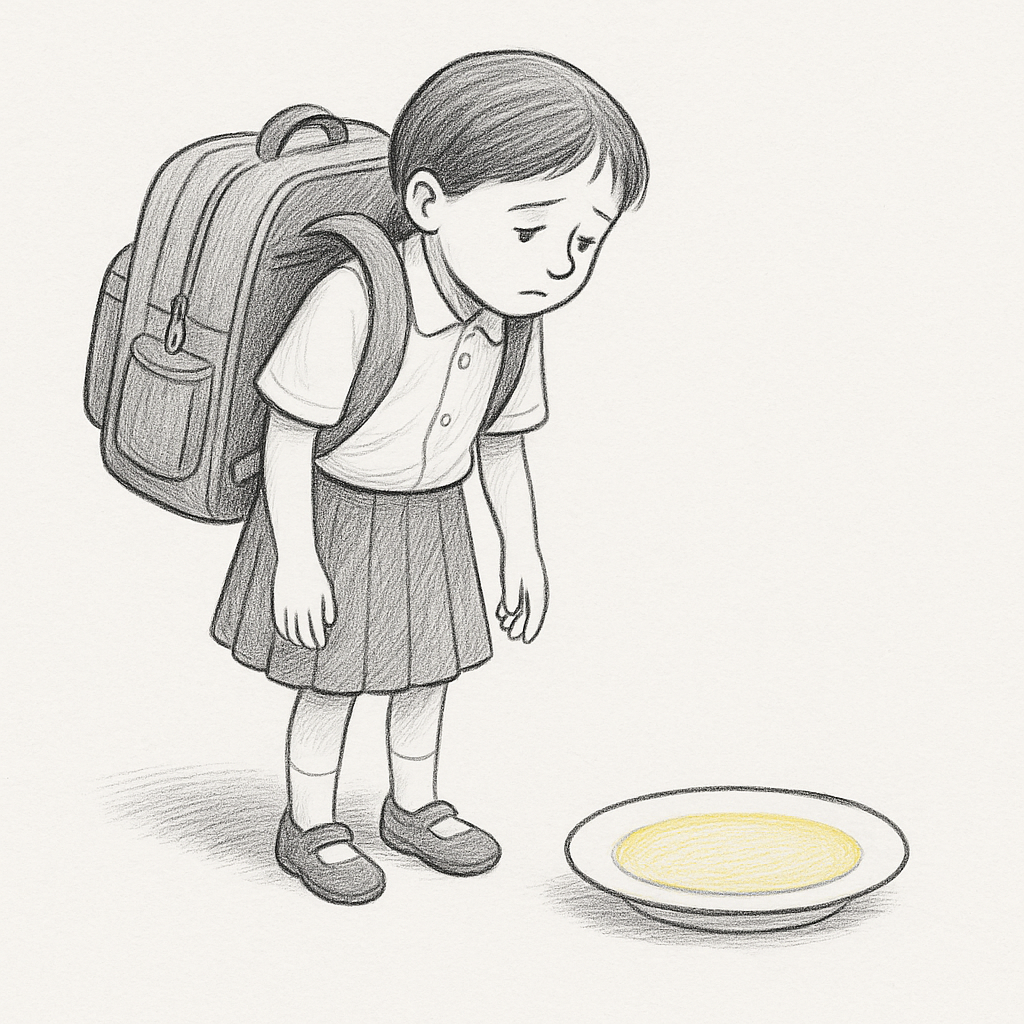
Imagine two 4-year-old children in neighbouring villages. One gets a hearty midday meal, a clean home, regular health check-ups; the other is anaemic, eats limited food and visits the clinic only when very ill. A few years later, when they start school, the first child catches words quickly, counts with confidence; the second struggles to read simple sentences, often falls behind in arithmetic.
This is a reality for millions in India. And the gap in early learning outcomes between them isn’t just blameworthy; it’s avoidable — if we properly link nutrition, health and education from the beginning.
Why Early Nutrition & Health Are Foundational, Not Optional
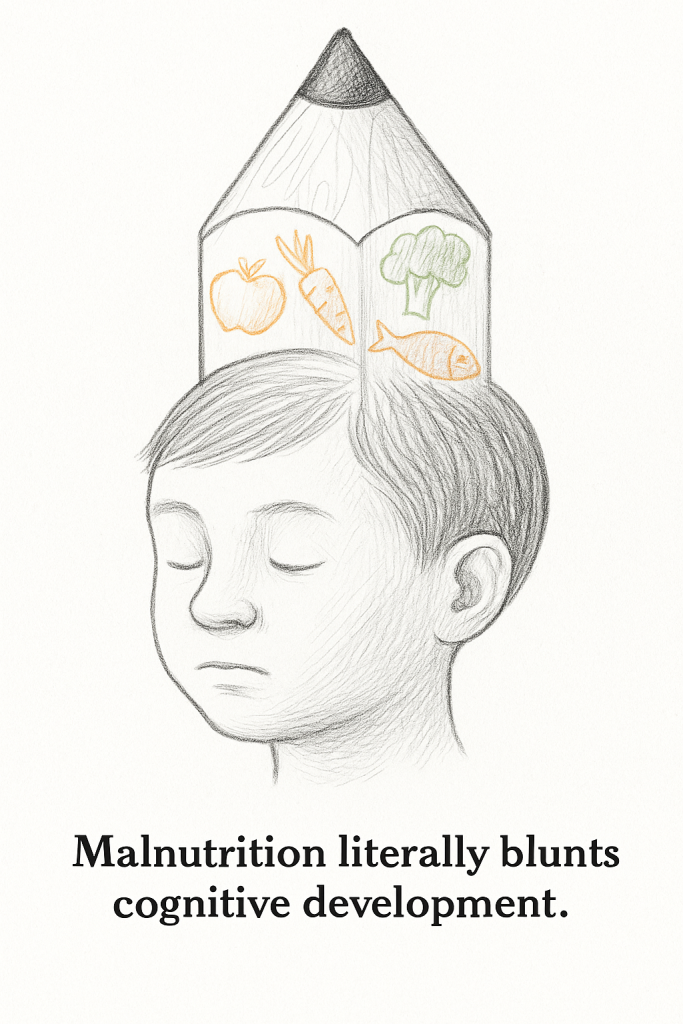
The first 1,000 days of life — from conception through age two — are a period of extraordinary brain development. Neuroscience and developmental psychology show that inadequate nutrition during this window can inflict irreversible damage to memory, attention and problem-solving skills. A seminal 2007 study by Grantham-McGregor et al. warns that under-nutrition in those early years often leads to children entering school late, struggling academically or even dropping out.
India’s own data backs this up. The Comprehensive National Nutrition Survey (CNNS, 2016-18) found that about 38% of children under five are stunted and 17% are wasted. Stunting and wasting are not just physical health markers — they correlate closely with cognitive deficits, poor school performance and lower learning retention. (PMC)
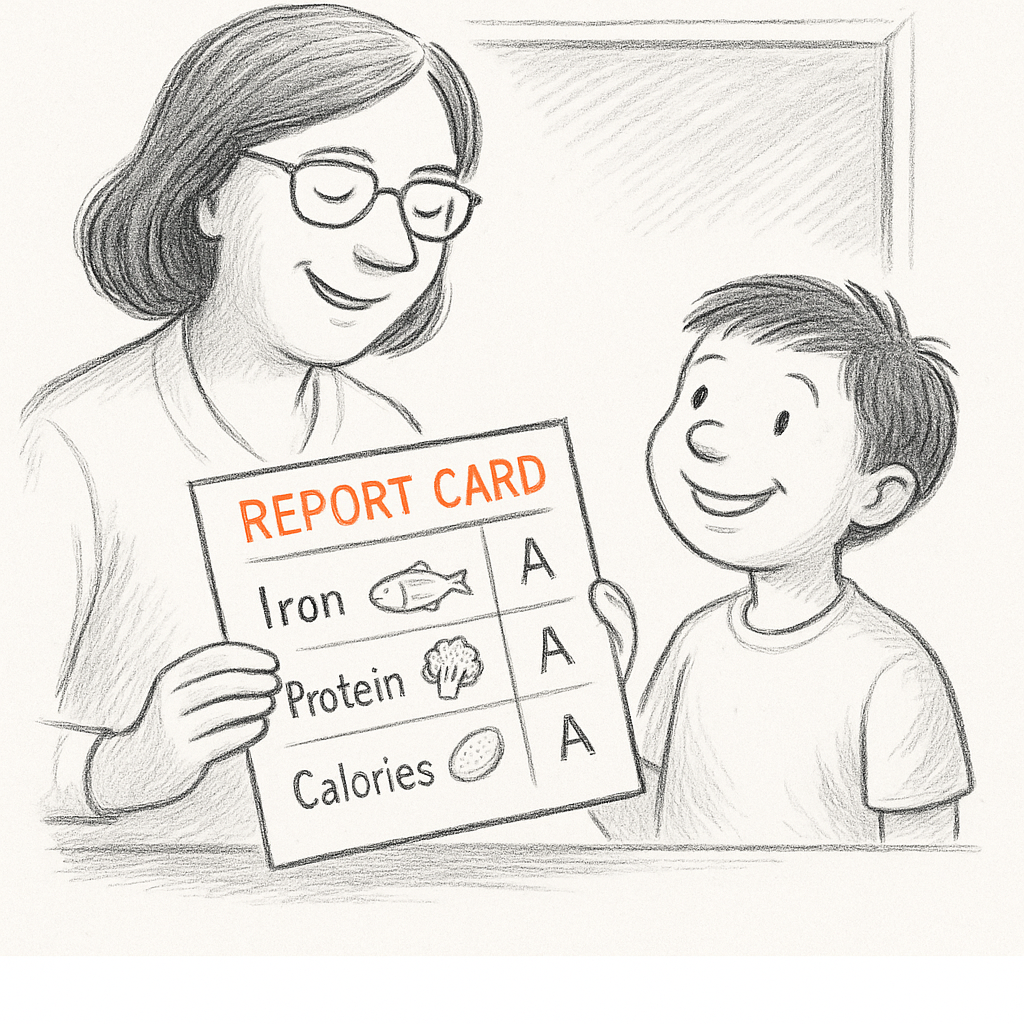
Let’s also consider India’s anaemia challenge: large proportions of young children and pregnant mothers suffer from iron deficiency, which reduces attention span and learning capacity. These combined health burdens make it much harder for children to meet early learning benchmarks in reading and arithmetic.
So when we talk about improving early learning outcomes, especially in foundational literacy and numeracy (FLN), we are talking about more than better teaching. Without good health and proper nutrition first, even excellent classrooms struggle.
What the Evidence Shows: Health + FLN = Better Outcomes
Recent studies demonstrate more clearly than ever how health and nutrition drive learning.
- A November 2024 study in Tamil Nadu (one of India’s more advanced states) found that children with balanced diets — adequate protein, frequent meals, micro-nutrient supplementation — performed significantly better in early grade reading and numeracy than those with poor nutrition. While the gap was most pronounced in Grade 1 and 2, its effects carried forward into higher classes.
- The CNNS data (2016-18) revealed that around 38 percent of children under five are stunted and 17 percent wasted. Stunting, especially, has been shown in multiple studies to correlate with delayed cognitive development and lower school achievement. (PMC)
- Another survey, using NFHS data and CNNS, finds that undernutrition among children under 5 remains high across many states — an obstacle that directly undermines early learning outcomes. Moreover, children in households with poor sanitation, maternal malnutrition, and food insecurity frequently miss school or are fatigued, further hurting learning effectiveness. (PMC)
These findings show that improving early learning outcomes (reading, counting, comprehension) depends heavily on upstream factors like diet diversity, micronutrients, prenatal and early childhood health services, and overall well-being.
Policy Frameworks & India’s Current Efforts
India has recognised the vital role nutrition and health must play in improving early learning. Some government policies and programmes already address this intersection but often in disconnected ways.
- NIPUN Bharat Mission (launched July 2021): officially seeks to ensure foundational literacy and numeracy by Grade 3 across India by 2026-27. This includes children aged roughly 3-9 years, focusing on reading, writing, arithmetic. It implies school readiness and continuous developmental progress. (scert.delhi.gov.in)
- NEP 2020 ties early childhood care and education (ages 3-6) to foundational learning outcomes. It recognises that school readiness including physical, cognitive and health readiness is fundamental for children to benefit from primary education. (scert.delhi.gov.in)
- Nutrition programmes: ICDS (Integrated Child Development Services) and PM-POSHAN (Mid-Day Meal Scheme) are central in feeding children, especially young ones. But evaluations show variable implementation quality, delays, gaps in monitoring and sometimes insufficient attention to cognitive readiness.
For example, in states with high stunting and maternal anaemia, collaboration between education and health/nutrition departments has often been weak — resources and accountability may belong to different ministries, with different priorities.
What We Could Do Better: Integrating Nutrition into Early Learning Outcomes
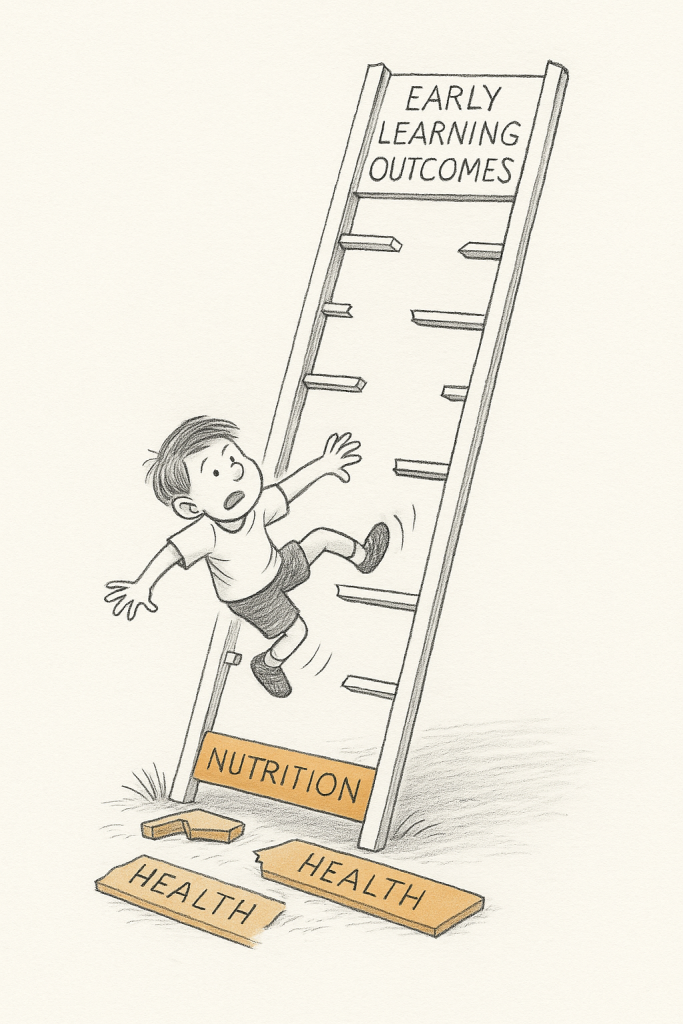
To truly improve early learning outcomes, India needs to move from siloed programmes to integrated action. Here are key strategies:
- Strengthen Coordination Among Ministries
Education, health, women & child development must collaborate at all levels — national, state, district. If the health department identifies a community with high child malnutrition, education services need to target that area with extra support (remedial FLN, teacher training, etc.). - Expand School Readiness Interventions
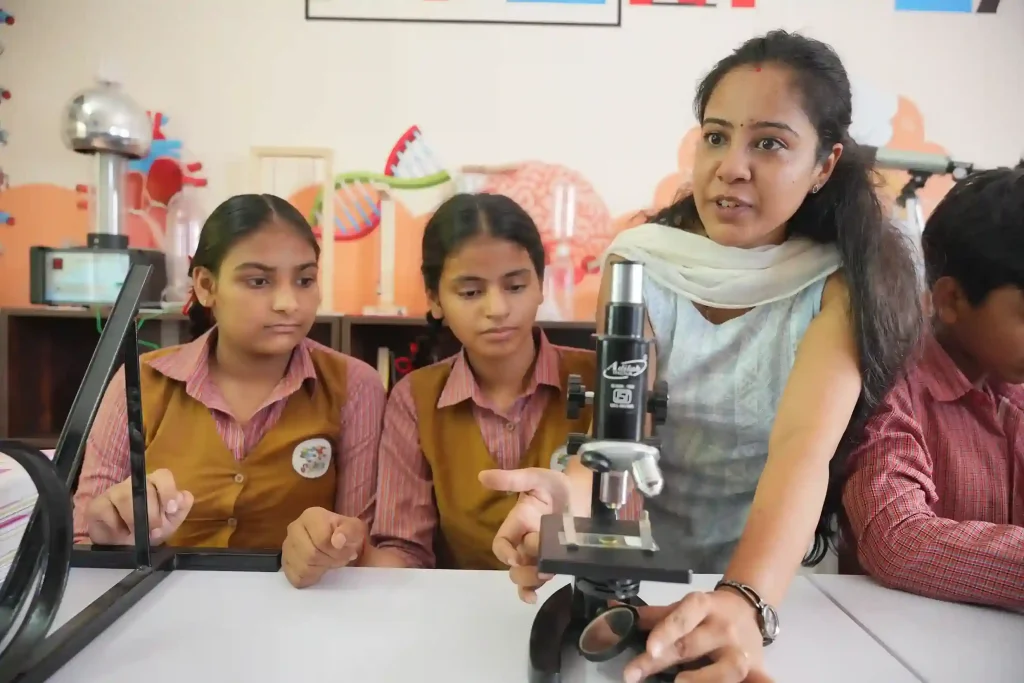
Pre-school and early childhood programmes must go beyond counting colours and rhymes. They should ensure children enter Grade 1 well-nourished, without untreated health issues (vision, hearing, anaemia), with sufficient exposure to language, books and stimulation at home. - Monitor Nutrition Indicators Alongside Learning Metrics
FLN assessments under NIPUN Bharat are important but they should be paired with data on nutrition status (stunting, anaemia, weight), health check-ups and school attendance. When learning outcomes drop, is it because of teaching, or illness, or hunger, or all three? - Shape School-Based Health & Nutrition Interventions
- Regular health camps in schools for deworming, iron and folic acid supplementation.
- Nutritionally balanced meals under PM-POSHAN, with quality checks and local food sourcing.
- Growth monitoring, early diagnosis of nutritional deficits.
- Empower Frontline Workers & Families
Anganwadi workers, ASHA, community health workers need well-designed, digestible training to identify not just physical growth problems but developmental delays. Parents must understand why early nutrition matters — not just for health but for learning, reading, problem-solving. Better communication, culturally meaningful messages can help. - Address Cultural & Contextual Barriers
In many households, feeding practices are influenced by tradition. Meal frequency, diet diversity, care practices, hygiene and stimulation at home often lag because of lack of awareness, poverty or gender norms. Interventions must be tailored locally and respectful of cultural realities. - Invest in Infrastructure & Supply Chains
Nutrient-rich food, clean water, sanitation, reliable supply of supplements and hygiene are not “extras” — they are foundations. Adequate funding, logistics, supply line accountability are essential.
Smile Foundation: Bridging Nutrition, Health & Early Learning Outcomes in Practice
NGOs often fill the gaps left by policy and Smile Foundation offers useful models of integration.
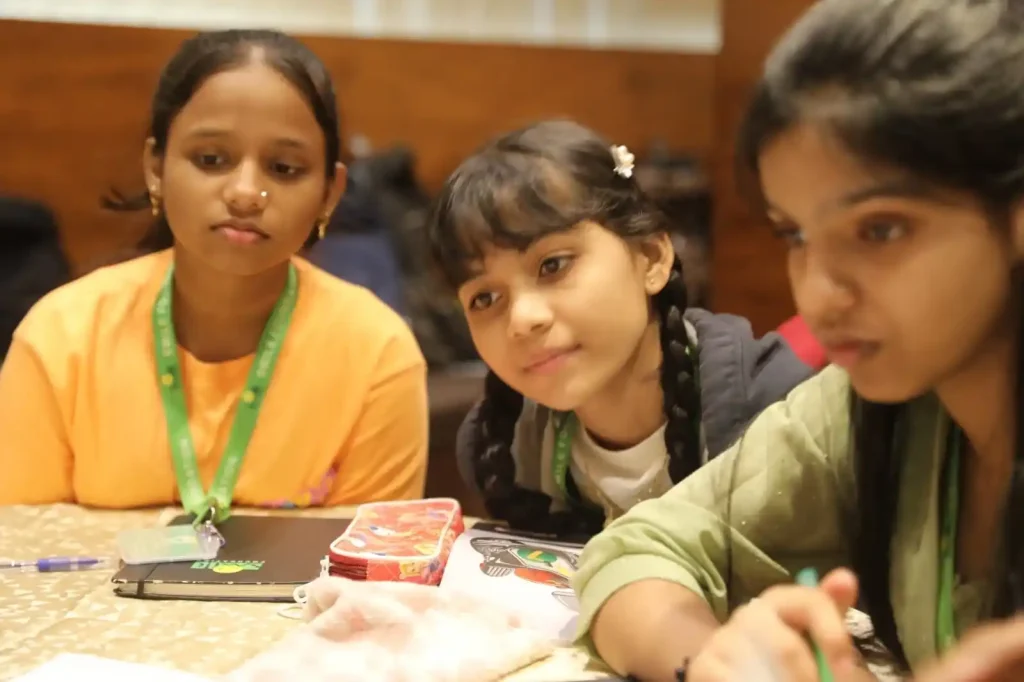
- Through Mission Education and related programmes, Smile supports children in vulnerable communities not only with quality schooling but also with nutritional awareness, supplementary feeding, health check-ups and regular deworming. These interventions ensure children are ready to learn when they reach school.
- Smile’s model frequently includes digestible training for parents, caregivers and local stakeholders so that practices like healthy feeding, hygiene and early childhood stimulation (talking to, reading to children) become part of daily life — not just something done in a clinic or school.
- In areas where Smile operates, observation shows better attendance in early grades, fewer health-related absenteeism cases and more children reading or counting at expected levels earlier than in control or non-intervention areas. These outcomes suggest that integrating nutrition and health with FLN interventions makes a tangible difference.
The Costs of Not Doing This
Ignoring nutrition in early learning outcomes isn’t harmless. The consequences are multi-fold.
- Learning deficits become persistent. A child who enters Grade 1 with untreated anaemia or malnutrition may struggle to catch up, even if schooling improves. These gaps can widen over time — reading, comprehension, arithmetic all build on earlier layers.
- Economic opportunity is lost. Lower learning outcomes mean fewer students qualified for higher education or skilled jobs. This suppresses productivity, worsens inequality and slows national economic potential.
- Social inequalities deepen. Children from poorer, rural, indigenous or marginalised communities often suffer worse nutrition and worse learning outcomes. Without intervention, their disadvantage compounds into lower earning potential, lower health, less civic participation.
- Health costs rise. Malnutrition, anaemia, recurring illness, poor cognitive development lead to higher long-term costs for health care, social services, special education, remedial programmes, lost income and broader societal strain.
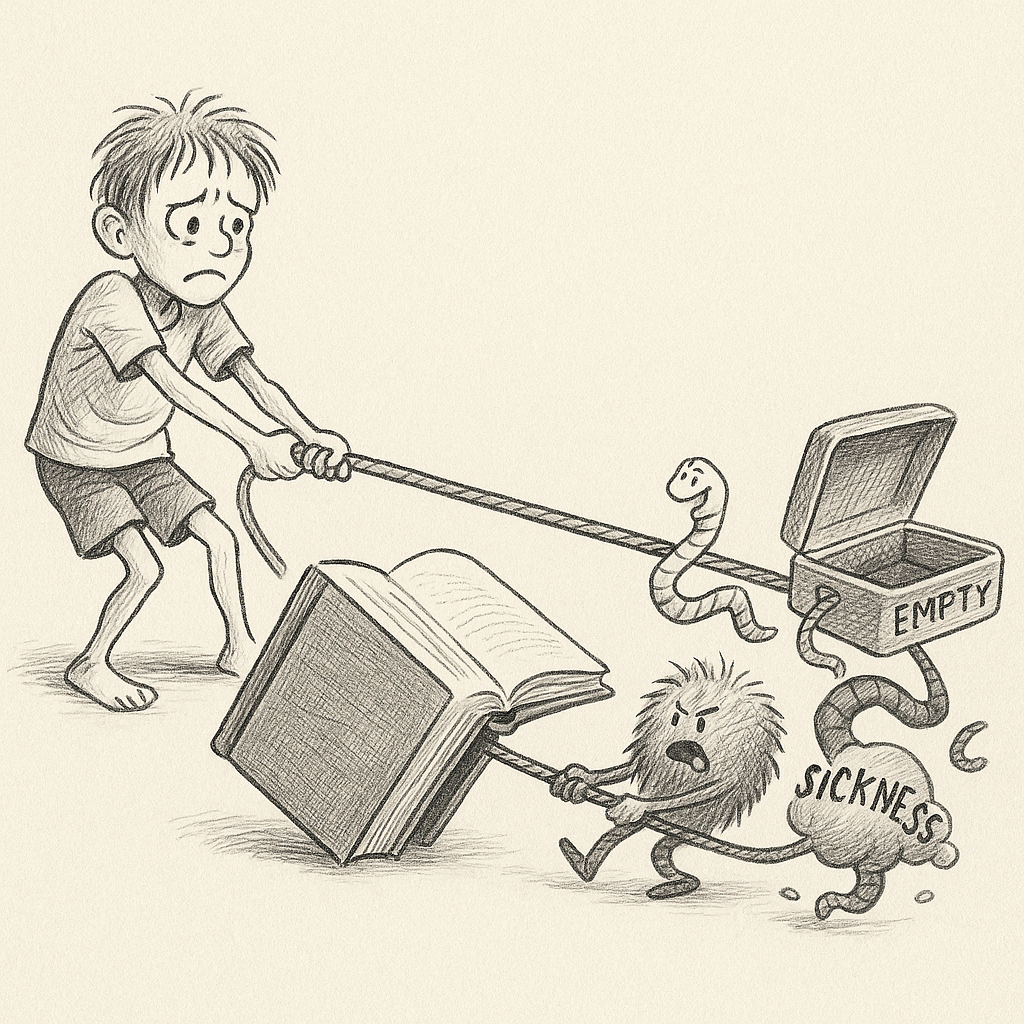
Early Learning Outcomes Need Early Health & Nutrition
When we talk about “improving early learning outcomes,” if we ignore nutrition and health we are only turning part of the wheel. The full engine of learning doesn’t turn without both parts.
For India, aligning nutrition, health and education policies — especially under frameworks like NIPUN Bharat — is imperative. Ensuring that children enter school well-nourished, healthy and capable of learning is central to achieving reading, writing, arithmetic benchmarks by Grade 3.
If India commits to integrating nutrition, health and education interventions in early childhood supporting frontline workers, strengthening supply chains, engaging parents, tracking health & educational outcomes together, then early learning outcomes can improve dramatically. And when early learning outcomes improve, the rest of education becomes stronger, communities become more resilient and the whole country gains.
Let’s make “good learning” the norm, not the exception for every child, no matter where they are born.






One reply on “Linking Nutrition & Health to Early Learning Outcomes”
This really resonates with me. Having proper nutrition and basic health care early in life helped me stay focused and confident in school. It made learning easier and shaped my foundation in a very positive way.