The missing half of the equation
When we think of social impact, our minds often jump to women leading change, mothers securing nutrition for their children or girls breaking cycles of poverty through education. Rightly so — women’s empowerment has been at the centre of development agendas for decades.
But lasting social change cannot be achieved without men. Whether as fathers, brothers, community leaders or frontline health workers, men shape family decisions, community norms and resource flows. But their role in caregiving, public health or education is often minimised or absent from programme design.
Smile Foundation’s two decades of grassroots work reveal a pattern: when men are engaged — not as gatekeepers but as partners — families thrive, women flourish and children’s futures brighten.
Why men’s role matters in social impact
Globally, research is clear. Men’s active participation in caregiving and community development benefits everyone.
- For women: It reduces the double burden of income generation and caregiving, freeing women to pursue education and work.
- For children: Fathers’ engagement improves cognitive development, school performance and emotional resilience.
- For men themselves: Involvement in caregiving has been linked to better mental health, stronger family bonds and even healthier lifestyle choices.
And yet, stereotypes persist: men are the “breadwinners,” women are the “caregivers.” Programmes often reinforce these divides. The result is that a large section of potential change-makers remain underutilised.
Breaking the stereotype: Men for social impact
1. In Education: Fathers as Allies
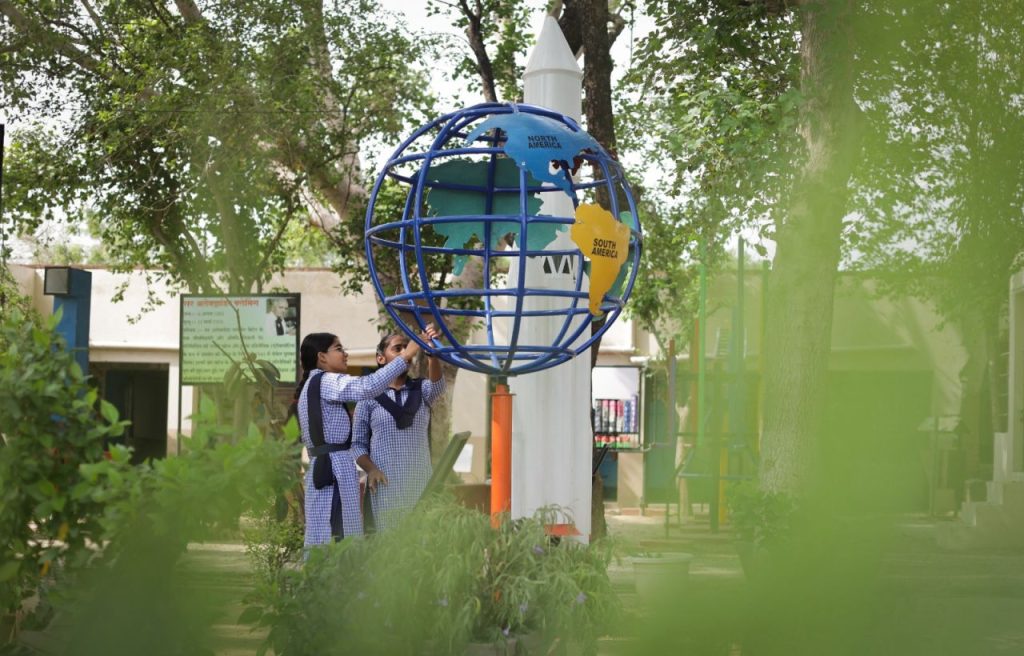
In Smile Foundation’s Mission Education centres, teachers often encounter fathers sceptical about sending their daughters to school. But when engaged through community mobilisation sessions, fathers become some of the strongest advocates for girls’ education.
In Uttar Pradesh, a father who once insisted his daughter would only study till Grade 5 now proudly attends her science exhibitions. This narrative shift — from resistance to advocacy — is a reminder: when fathers believe, girls achieve.
2. In Health: Men as champions of preventive care
Smile Foundation’s Smile on Wheels and E-Arogya Clinics show another dimension: men’s participation in preventive healthcare.
During awareness drives on immunisation or maternal health, it was often men who decided whether a mother would visit a health camp. When fathers understood the benefits, vaccination rates improved. ASHAs and Smile’s health workers learned to engage men directly — through village meetings, evening film screenings or even door-to-door conversations timed when fathers were home.
The results were striking with more antenatal check-ups, fewer dropouts in immunisation and growing acceptance of concepts like nutrition for girls.
3. In Livelihoods: From sole providers to shared planners
Smile’s livelihood and vocational training programmes traditionally targeted women and youth. But a parallel effect emerged: when men saw women contributing to household income, household decision-making became more balanced.
Couple-based livelihood counselling sessions showed that men who planned budgets jointly with their wives also reported higher savings and lower debt. In communities across Assam and Rajasthan, men began to say: “We don’t just earn; we plan together.”
Barriers to men’s participation
Despite the promise, barriers remain — many tied to deep social norms:
- Perception of masculinity: Care is still seen as “women’s work.” Men helping with household chores are often mocked.
- Breadwinner pressure: In low-income communities, men feel their only valid contribution is income.
- Lack of programmes for men: Development programmes often design interventions around women and children, assuming men are secondary.
These realities mean men often feel excluded from or resistant to, social programmes.
What works: Three pathways to engage men for social impact
Drawing from Smile Foundation’s fieldwork — and aligned with global evidence — three approaches stand out.
1. Design with men in mind
Skill-building for caregiving, health awareness or parenting is rarely targeted at men. When Smile piloted father-inclusive sessions in its education centres, men reported higher confidence in supporting their children’s schooling.
Takeaway: Men don’t resist involvement; they resist feeling incompetent. Structured training helps.
2. Reduce the breadwinner–caregiver conflict
Men in low-income households juggle long hours of labour. Smile’s evening or weekend community sessions — from health talks to parent–teacher meetings — increased male participation by 40%.
Takeaway: Programmes that respect men’s economic constraints are far more effective.
3. Build Peer Support and Social Acceptance
Men learn from men. When Smile mobilised male volunteers to champion nutrition drives, their voices carried weight in convincing other fathers. Peer networks also reduced ridicule for “breaking norms.”
Takeaway: Role models and peer validation are crucial in changing norms.
Men as Partners, Not Bystanders
Over time, Smile Foundation’s own messaging has evolved:
- Then: Campaigns focused primarily on women and children as beneficiaries.
- Now: Men are shown as allies — fathers walking daughters to school, husbands supporting maternal care, youth participating in community health campaigns.
This narrative shift is subtle but powerful. It reframes men not as obstacles, but as co-creators of impact.
From SDGs to local action
Engaging men is not just a local experiment — it aligns with global development priorities:
- SDG 3: Good health and well-being, by involving men in preventive healthcare.
- SDG 4: Quality education, by ensuring fathers support schooling, especially for girls.
- SDG 5: Gender equality, by sharing caregiving roles and reducing violence.
Smile Foundation’s grassroots approach shows how these global frameworks translate into community-level action.
The fun but serious side: Why men benefit too
Let’s not forget — men gain immensely when they engage in social impact. Fathers who help with homework report better bonds with their children. Husbands who attend maternal health sessions with their wives feel more confident and respected. Even young men volunteering in Smile programs say they develop leadership skills that help in jobs.
In short: a more caring man is often a healthier, happier man.
Towards a shared future
If women have been the face of social change, men must now be the backbone. The future of social impact lies not in dividing roles, but in sharing them.
Smile Foundation’s journey proves this: from classrooms to clinics, when men are engaged, the outcomes multiply. Families grow stronger. Children dream bigger. Communities move forward faster.
The next big narrative in development may just be this: social change is not women’s work alone. It is everyone’s responsibility — and men have a central role to play.