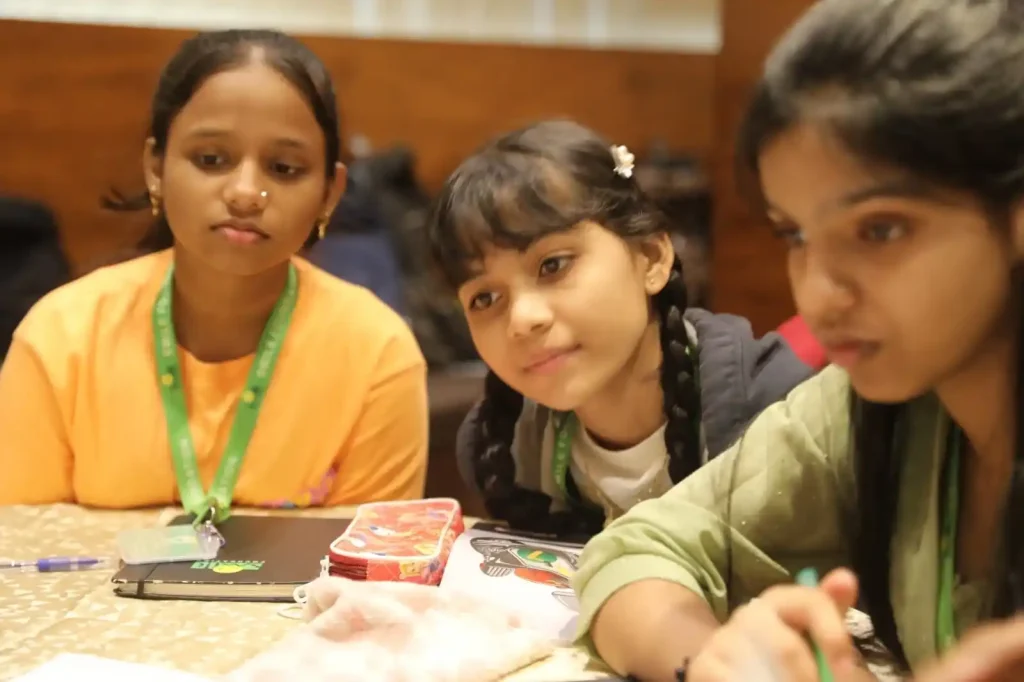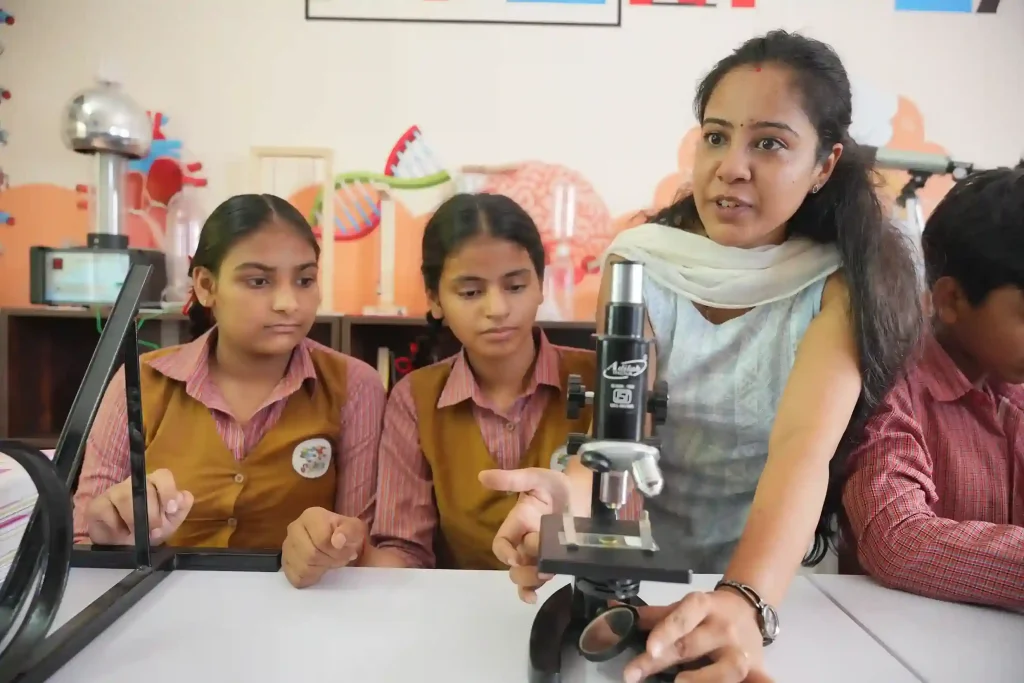

Every child begins life as a spark—curious, energetic, and full of promise. But nurturing that spark into a steady, glowing flame requires more than just good intentions. It demands a collaborative effort between arguably the two most influential adults in a child’s life: parents and teachers. While schools provide the structure for learning, homes offer the emotional soil in which a child’s values and confidence grow. When these worlds align, the child doesn’t just succeed academically—they thrive emotionally, socially, and even physically.
This is not just a philosophy. It’s a principle that development organisations like Smile Foundation in India have put into action across thousands of communities. Through programmes that support both schooling and parenting, Smile Foundation is demonstrating how synchronised efforts between homes and schools can create an ecosystem where children truly flourish.
The evidence Is clear: Involvement matters
Decades of research underscore the value of parental involvement in a child’s education. Studies show that students with involved parents are more likely to earn higher grades, attend school regularly, have better social skills, and exhibit improved behavior. But “involvement” is no longer a matter of only showing up for parent-teacher meetings. It’s about establishing a meaningful, two-way relationship between families and educators—one that’s rooted in trust, frequent communication, and shared goals for the child.
In India, where millions of children are first-generation learners and their parents may not have completed formal schooling, building this bridge takes intent and innovation. Smile Foundation has increasingly invested in several models that prioritise family engagement—not as an afterthought, but as an essential strategy in child development. Whether it’s through structured home visits, parent facilitation groups, or community learning events, these initiatives send a clear message: the family’s role in education is powerful and irreplaceable.
Spotting challenges early: The preventive power of collaboration
One of the most profound benefits of strong parent-teacher collaboration is the ability to spot developmental challenges early. A teacher might notice that a child is unusually withdrawn in class, while the parent may observe that their child no longer seems excited to go to school. Alone, each of these signs might be dismissed as a phase. But together, they form a more complete picture—often revealing early signs of learning difficulties, emotional distress, or social anxiety.
Smile Foundation’s education programmes train teachers to engage in these diagnostic conversations with families regularly, not just during quarterly assessments. In Delhi’s urban slums, for instance, a school supported by Smile saw a dramatic turnaround in learning outcomes after initiating bi-monthly parent-teacher dialogues. Children who were previously struggling academically showed improvement—not solely due to pedagogical change, but because parents were now reinforcing learning strategies at home, guided by their teachers.
Early intervention is only possible when adults in a child’s life are paying attention, and talking to one another. This model is especially critical in under-resourced settings where access to clinical or counseling support is limited. In these contexts, a well-informed parent-teacher alliance can act as the first line of defense.
Personalised learning: Building on the strengths of home and school
Every child learns differently. Some absorb concepts best through visual aids, others by storytelling or physical interaction. Teachers bring insight into a child’s learning style in the classroom, while parents contribute essential knowledge about their child’s interests, cultural context, and emotional triggers. When this information is shared, children can receive the kind of individualised support that nurtures confidence and comprehension.
Smile Foundation recognises that true personalisation is a community effort. In our rural education centers across Madhya Pradesh and Odisha, teachers are encouraged to visit homes and invite parents into the planning process. In one case, a young girl with a speech delay began to flourish after her teacher incorporated local folk songs into lessons—something her grandmother had identified as a source of joy at home. This simple intervention, born of shared knowledge, helped the child communicate with greater confidence both in and out of the classroom.
Home-school alignment: A bridge of consistency
For children, the disconnect between what’s expected at school and what’s reinforced at home can be confusing. One place may value punctuality and silence, the other spontaneity and freedom. Without alignment, children may receive mixed messages about behaviour, responsibility, and values.
Smile Foundation’s initiatives take this insight seriously. In communities where formal schooling is new to the household, these sessions help parents understand school culture, routines, and behavioural expectations. More importantly, we emphasise consistency—not in strict rules, but in emotional tone and encouragement. When children experience a sense of continuity between home and school, they feel secure and supported, which in turn enhances their ability to focus and grow.
This alignment is especially crucial during periods of transition, such as starting preschool or moving to a higher grade. When parents and teachers work in tandem to prepare children emotionally and practically, these milestones become less stressful and more empowering.
Communication: The foundation of trust
The most effective parent-teacher partnerships are those where communication is open, frequent, and empathetic. Smile Foundation equips educators with simple but powerful tools: mobile messaging groups, child progress diaries, and even informal parent cafés where conversations happen over tea. These touchpoints build trust and shift the dynamic from transactional to transformational.
When parents feel seen and valued—not judged—they are more likely to engage proactively. This has a ripple effect on the child, who witnesses cooperation between the adults they look up to. In fact, schools supported by Smile report that once parents become active participants, student attendance improves, homework completion rises, and behavioral issues decline.
Emotional and social Growth: The invisible curriculum
Academics matter. But so do empathy, self-regulation, patience, and resilience. These social-emotional skills are not taught in a single class period—they’re modelled, reinforced, and practiced across both home and school settings. And when those settings share a common language for kindness, boundaries, and emotional expression, children absorb it more effectively.
Smile Foundation incorporates social-emotional learning (SEL) into both its classroom pedagogy and its parent workshops. One such workshop teaches breathing exercises to manage anger—something parents and children practice together. Another encourages storytelling as a way to explore moral questions and develop empathy. The result? A generation of children who not only read and write, but relate and reflect.
Parents as co-Educators: Small acts, big impact
Involving parents doesn’t mean asking them to become formal educators. It means valuing the richness of their lived experience. When a father shares stories from his farming work during a science lesson, or a mother helps demonstrate a local recipe during nutrition week, learning becomes alive and relevant.
Beyond the educational value, these moments send children a powerful signal: learning is everywhere, and everyone has something to teach. It also fosters respect between educators and families—transforming the school into a hub of shared learning, not just instruction.
A child cannot learn if they don’t feel safe—physically, emotionally, and psychologically. Consistency between home and school rules helps children navigate expectations with clarity. When both spaces reinforce similar approaches to discipline, screen time, or respect for others, children experience less confusion and more confidence.
Smile Foundation promotes these safe learning environments through integrated health, nutrition, and mental well-being components in its education programmes. We also counsel parents on positive parenting strategies, equipping them to be not just caregivers but champions of their child’s development.
The numbers don’t lie
A longitudinal evaluation of Smile Foundation’s Mission Education programme found that children whose parents participated in regular school activities had a 27% higher rate of grade completion and a 33% improvement in reading skills over two years, compared to peers with less family engagement.
Globally, similar findings emerge: a meta-analysis by the Harvard Family Research Project concluded that parental involvement is one of the most consistent predictors of student achievement, regardless of income or background.
A call to co-create
Parent-teacher collaboration is a developmental imperative. In a country as vast and diverse as India, where children grow up in dramatically different contexts, this partnership becomes even more essential.
We are showing that this collaboration doesn’t have to be elaborate or expensive. It can begin with a home visit, a shared story, a note in the diary, or simply a question: “How is your child doing this week?”
Because when the most important adults in a child’s life come together, they don’t just raise a student. They raise a human being—resilient, curious, and compassionate. And indeed, it takes such a team to raise a star.