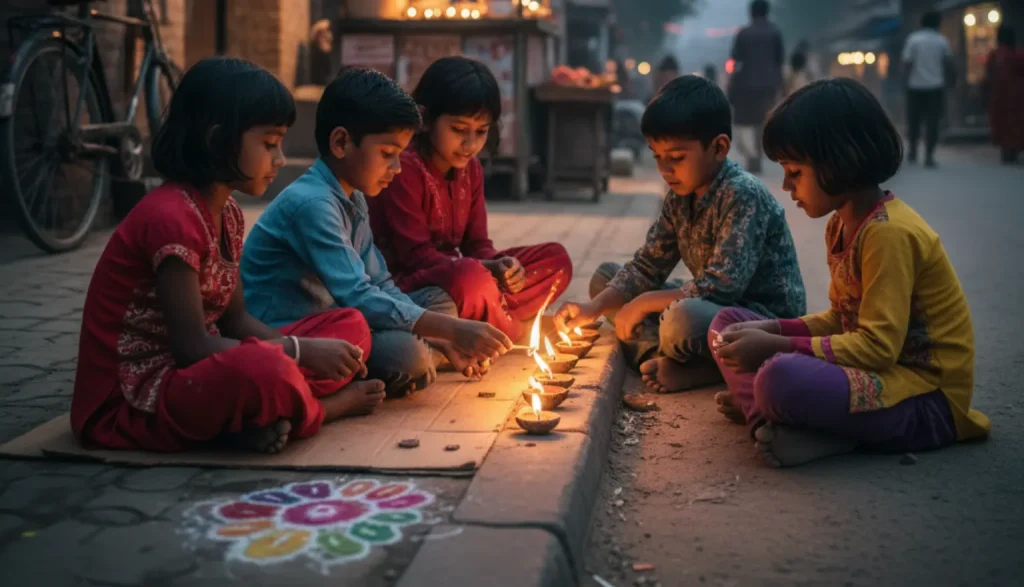


Ramesh, a 10-year-old from a drought-stricken village in Maharashtra, once spent his days weaving through Mumbai’s traffic signals, selling trinkets to survive. His family, having migrated to the city in search of work, ended up living on the streets. Ramesh’s dreams of attending school were buried under the weight of his circumstances. That changed when he was identified by a development organization, enrolled in a local government school, and given access to books, uniforms, and support. Today, having passed his 10th-grade exams with distinction, Ramesh aspires to become an engineer.
His story is echoed by millions of children across India—bright, resilient, and eager to learn, yet denied the basic right to education. Ramesh’s journey underscores how timely interventions can break generational poverty and reshape futures.
A systemic crisis: The scope of out-of-school children in India
India holds the distinction of having the world’s largest child population. Yet, according to UNESCO’s 2022 report, over 6 million children in India remain out of school. Many are engaged in informal work, domestic labor, or begging. The roots of this crisis are structural and multifaceted.
Poverty remains the largest barrier, with parents often relying on their children’s earnings to survive. The 2011 Census reported over 10 million child laborers, a figure that continues to challenge national education goals. Girls are especially at risk—pulled out of school due to entrenched gender roles, early marriage, or the lack of basic infrastructure like safe toilets. In rural areas, the problem is compounded by dilapidated schools, insufficient teachers, and cultural norms that deprioritize education for girls.
These challenges are not just a reflection of inequality; they are a warning sign. When children are denied education, a nation loses out on human potential.
Education as the most powerful equalizer
Education is a lifeline. It empowers children to break the cycle of poverty, gain financial independence, and build healthier lives. A Brookings Institution study found that the likelihood of escaping generational poverty doubles with access to secondary education.
Education also has ripple effects. The World Health Organization reports that every additional year of education for girls can reduce child mortality rates by 2–10%. Educated children are more likely to make informed health decisions, resist exploitation, and advocate for themselves and their communities.
But beyond statistics lies a deeper truth: education gives children dignity. It opens doors to opportunity and agency; something every child, regardless of background, deserves.
Transformative initiatives: Turning the tide
Over the years, India has launched several landmark policies to improve access to education:
- The Right to Education Act (RTE) mandates free and compulsory education for children aged 6–14. While implementation gaps remain, it lays the foundation for inclusive education.
- Samagra Shiksha Abhiyan integrates school education and emphasizes quality, infrastructure, and equity.
- The Mid-Day Meal Scheme, feeding millions of children daily, has not only improved nutrition but also incentivized attendance—reducing dropouts by as much as 30%.
Additionally, organizations like Smile Foundation have developed grassroots interventions by providing access to healthcare, remedial education, and family support, helping children like Ramesh transition from the streets to structured learning environments.
Looking ahead: A vision for inclusive education
Despite progress, systemic barriers continue to deny many children a fair start. To truly bridge the education gap, a multi-pronged approach is needed:
- Universal preschool education: Strengthening and scaling up Anganwadis (community child care centers) will provide early learning foundations, particularly in marginalized areas.
- Digital inclusion: Smart classrooms, online learning platforms, and mobile-based education can close the rural-urban divide—if investments are made to overcome the digital gap.
- Teacher training and motivation: Teachers must be empowered through continuous professional development and fair compensation to ensure they become enablers of transformation.
- Parental engagement: Parents must be involved in the education process and made aware of the long-term value of keeping their children in school.
These interventions, when pursued in concert, can ensure that no child is left behind.
A shared responsibility
The path from streets to schools is not paved by policy alone; it requires empathy, collaboration, and sustained effort. Government agencies must prioritize marginalized communities. Development organizations must scale successful interventions. Corporates must support education through CSR initiatives. And citizens must champion the rights of every child.
Ramesh’s story is a reminder that with the right support, even the most disadvantaged children can rise, thrive, and lead. By ensuring equitable access to quality education, we can turn India’s greatest challenge into its most enduring strength.
.