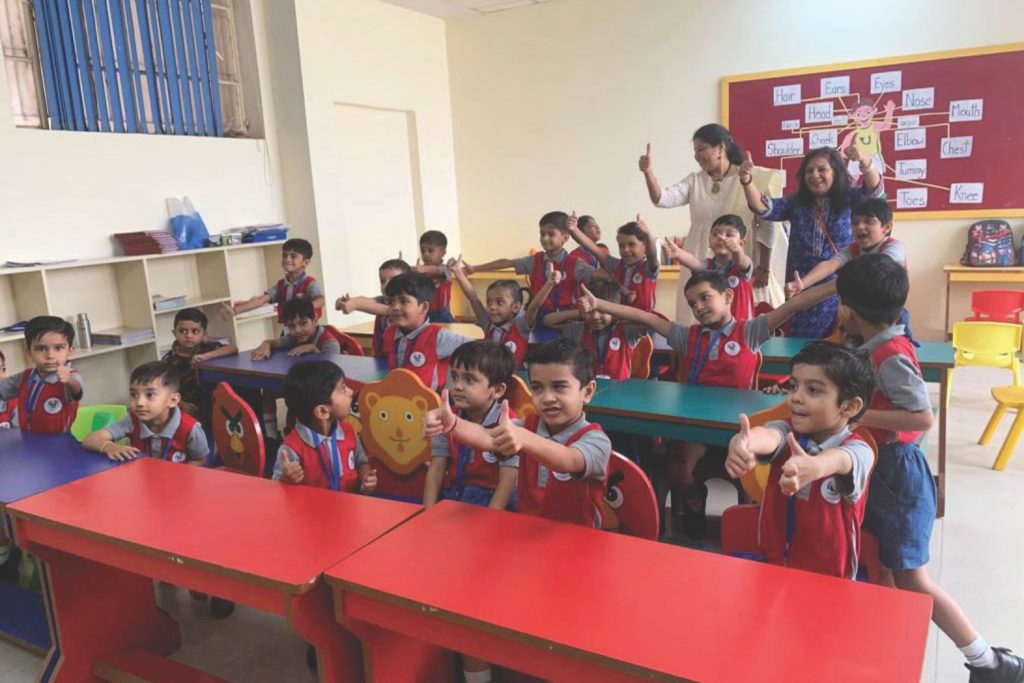
Childhood is a time of wonder, discovery, and growth, but for many children, especially ina world virtually owned by a social media era, it is also a time of anxiety, pressure, and emotional vulnerability.
Mental well-being among school-going children has become a growing concern globally, with studies showing a rise in anxiety, depression, and behavioural issues among students. Amid the academic demands, social expectations, and personal challenges, children often struggle to cope with their emotions. This is where schools, and more specifically, teachers and educators can play a transformative role.
Children spend a significant part of their day in school. It is not just a place of learning but a second home where personalities are shaped, identities are formed, and values are cultivated. This makes schools critical to the mental and emotional development of children. According to the WHO, half of all mental health conditions start by the age of 14, but most cases go undetected and untreated. In India, too, the burden is real: factors such as exam stress, peer pressure, bullying, family issues, and socio-economic disparities often go unnoticed or unaddressed in the classroom.
When a child’s mental well-being is compromised, it reflects in their academic performance, classroom behaviour, social interactions, and overall growth. Teachers, being on the frontline, are uniquely positioned to observe these signs early and provide the necessary support.
Teachers are more than academic facilitators, mentors, role models, and caregivers (remember the movie, Dead Poets Society?). Their words, actions, and approach can either nurture a child’s confidence or unknowingly contribute to their distress. Building a wholesome learning environment begins with empathy and awareness.
Here’s how educators can contribute meaningfully:
Creating safe and non-judgmental spaces
A child who feels safe is more likely to open up, participate, and learn. Teachers can create this sense of safety by listening without judgment, encouraging open dialogue, and validating feelings. A classroom culture where mistakes are treated as part of learning, and differences are respected, helps reduce fear and stress.
Being observant and accessible
Teachers can be trained to identify behavioural changes like withdrawal, aggression, lack of concentration, or absenteeism—that may indicate emotional distress. By being approachable and accessible, they offer a lifeline to children who may be silently struggling.
Promoting inclusivity and belonging
Classrooms must celebrate diversity, whether it’s in learning pace, language, background, or ability. When children feel seen and accepted for who they are, it fosters self-worth. Inclusive practices, such as differentiated learning and equitable participation, ensure that no child feels left out.
Encouraging emotional expression
Activities like storytelling, journaling, art, music, and play provide children safe outlets for expressing feelings. Teachers who incorporate social-emotional learning (SEL) into the curriculum help children build self-awareness, empathy, and coping skills.
Modelling positive behaviour
Children often emulate the adults around them. Teachers who demonstrate patience, kindness, resilience, and respectful communication unknowingly equip their students with the same values.
Collaborating with parents and counsellors
Mental well-being is a shared responsibility. Educators can work alongside parents and school counselors to provide consistent support, ensure early intervention, and build a circle of care around each child.
While individual educators play a vital role, they need institutional backing to make a lasting impact. Schools must prioritise mental health training for staff, integrate mental well-being into everyday school culture, and ensure the presence of mental health professionals. Policies that discourage punitive discipline and promote positive reinforcement go a long way in creating nurturing environments.
Programs that encourage peer support, teacher-student bonding, mindfulness practices, and stress management can transform schools into sanctuaries for young minds. The National Education Policy (NEP) 2020 in India emphasises holistic development, including emotional well-being. This is a timely and welcome shift.
Every child deserves to feel safe, valued, and supported—not just academically, but emotionally. Teachers have the power to shape this reality. With sensitivity, intent, and support, they can become pillars of strength for children navigating the complexities of growing up. In doing so, they don’t just teach minds, they heal hearts and build futures.
Sarva Shiksha AbhiyanNational Education Policy Beti Bachao, Beti Padhao Digital India
Skill IndiaEnhancing Formal Skilling
National Rural Health Mission Universal Health CoverageNational Digital Health Mission Promotion of Govt. Health Schemes
Anaemia Mukt Bharat Poshan Abhiyan Atmanirbhar Bharat Abhiyan Anganwadi Strengthening