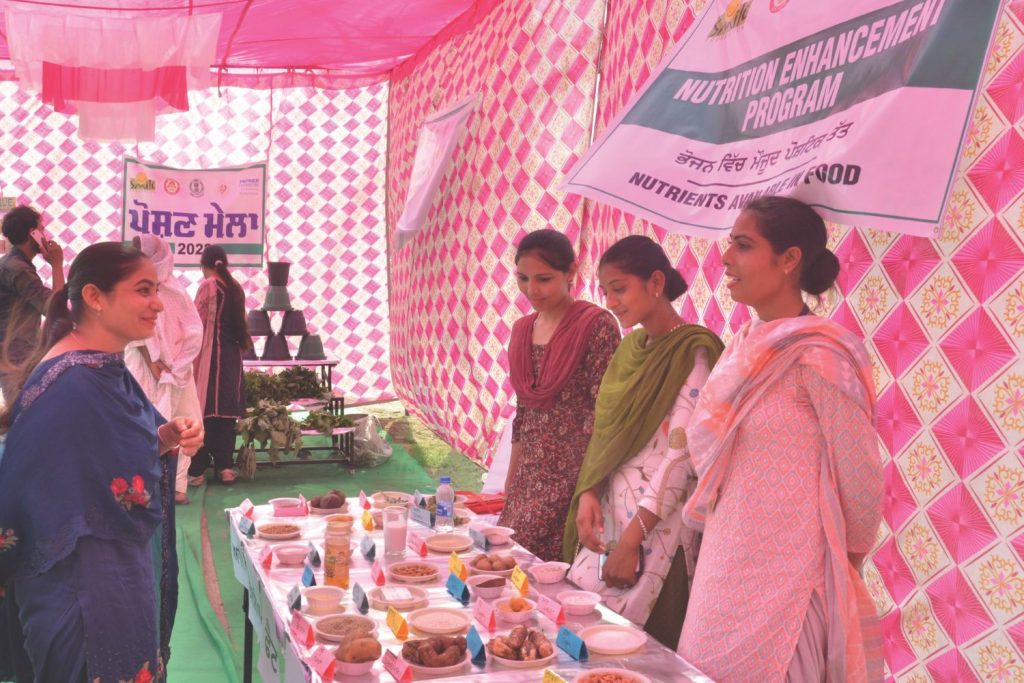
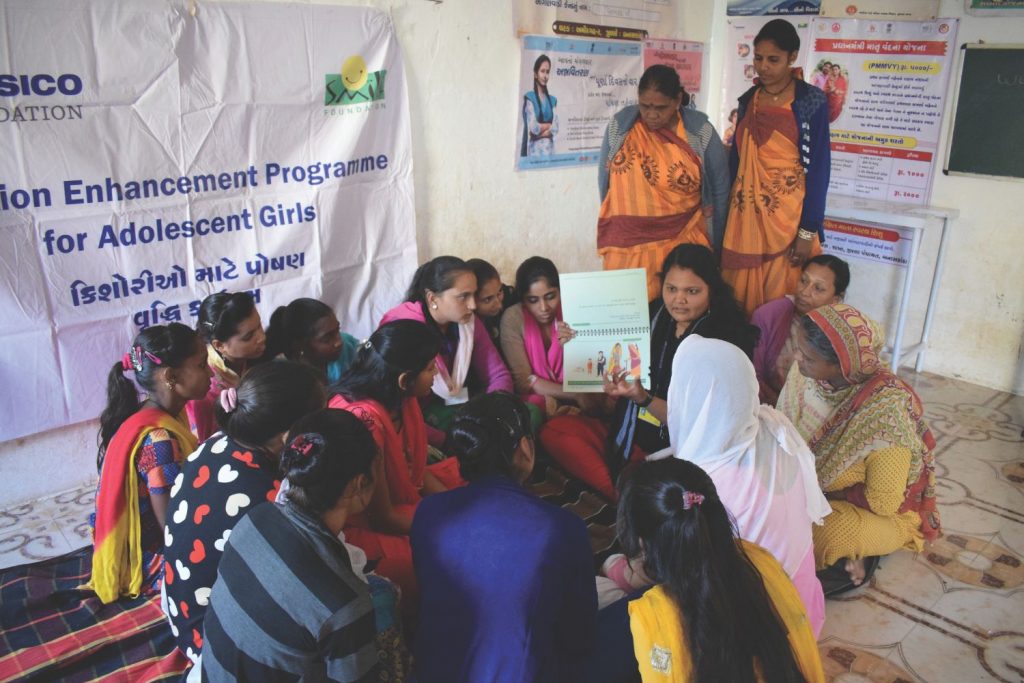
Iron-folic acid (IFA) tablets are a cornerstone of India’s public health drive, but anaemia remains a stubborn barrier to safe motherhood and healthy newborns. NFHS 5 data shows that 52.2% of pregnant women in India are anaemic, and experts warn this widespread deficiency “contributes to high maternal and infant mortality rates”. Mothers who lack iron and nutrition are more likely to deliver low-birthweight or premature babies, and even mild anaemia raises risks for both mother and child. Recognising this, the government’s Anaemia Mukt Bharat strategy (2018) scaled up IFA supplements and nutrition counseling across the lifecycle. These efforts have helped millions, but by themselves they are not enough – pills must be backed by early diagnosis, education and local action to make a real dent.
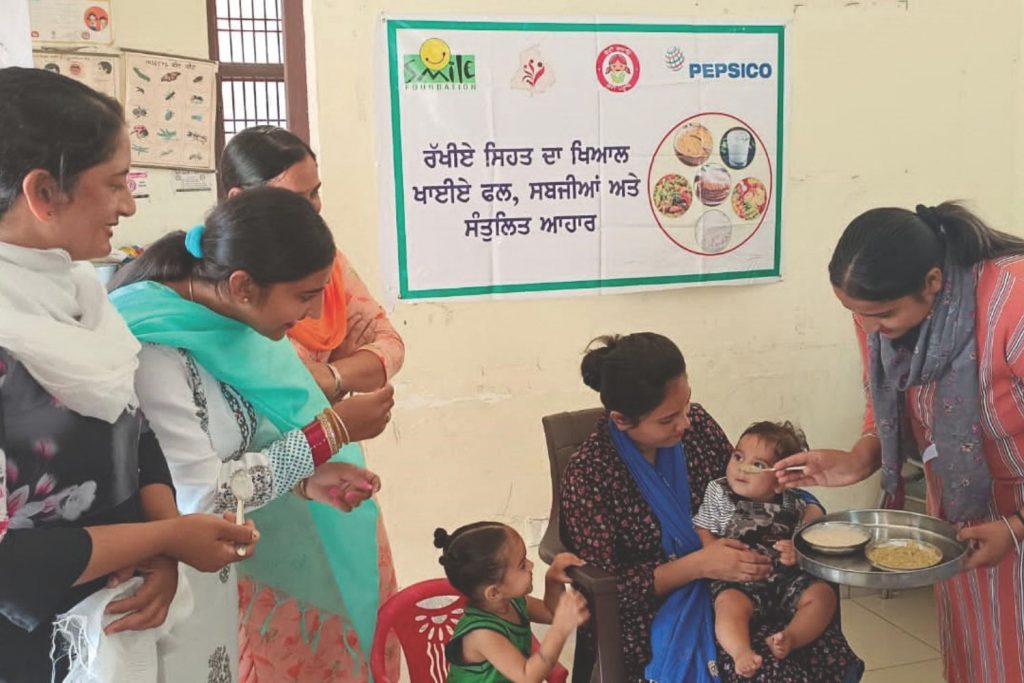
India’s flagship IFA schemes for adolescents, and pregnant and lactating women are globally unmatched, and studies confirm iron supplementation is “the most efficient and scalable intervention” for anaemia. Frontline workers including ASHA and Anganwadi workers distribute supplements and conduct awareness drives under Poshan Abhiyaan and Anaemia Mukt Bharat. But in practice, tablets alone often fall short. Without counselling, many women skip doses or suffer side effects, and local diets remain poor in iron. Innovative local fixes can bridge this gap. For example, Sangrur (Punjab) officials found children were discarding morning IFA tablets. By mixing the iron dose into the midday meal and encouraging school kitchen gardens, they achieved 100% tablet intake and fresh nutrients. Another key breakthrough came when anaemia prevention efforts in schools were realigned with children’s actual needs, and the tablets were distributed after meals. Smile Foundation’s work builds on such models, partnering with communities to translate policy into practice.
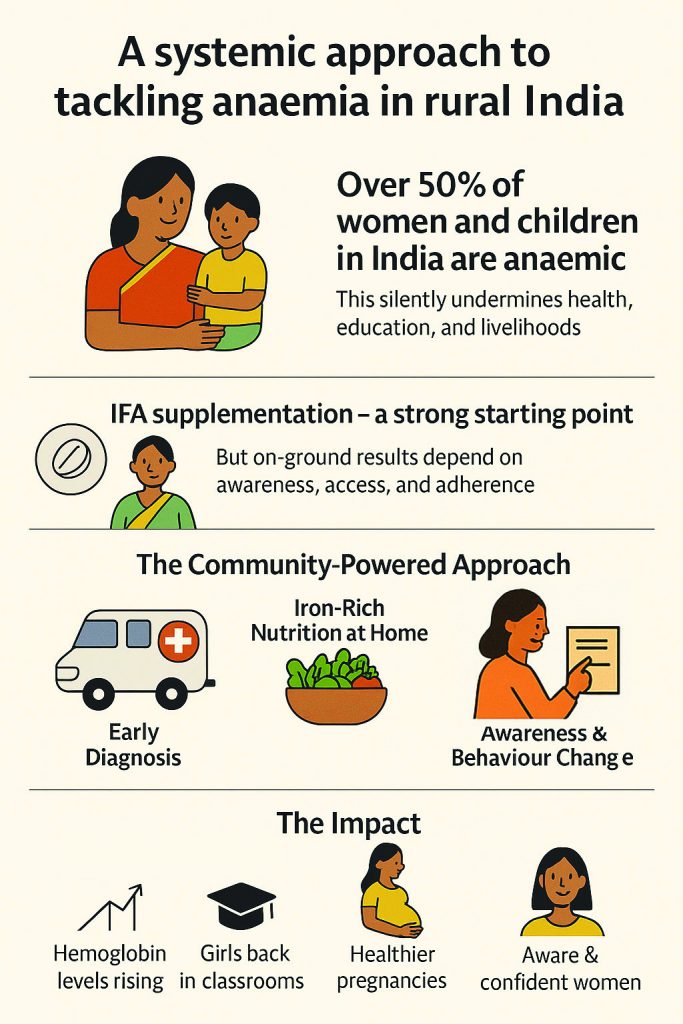
Smile Foundation’s programmes follow a systems approach that complement government infrastructure. Instead of relying on pills alone, they weave together multiple threads – from kitchen gardens and nutrition education to regular screening and counseling. Key components include:
Kitchen gardens and food diversity:
Schools and villages plant iron-rich veggies (spinach, legumes, moringa) so families have fresh iron sources year-round. In Sangrur, Smile helped grow dozens of community gardens.
Regular health camps and screening:
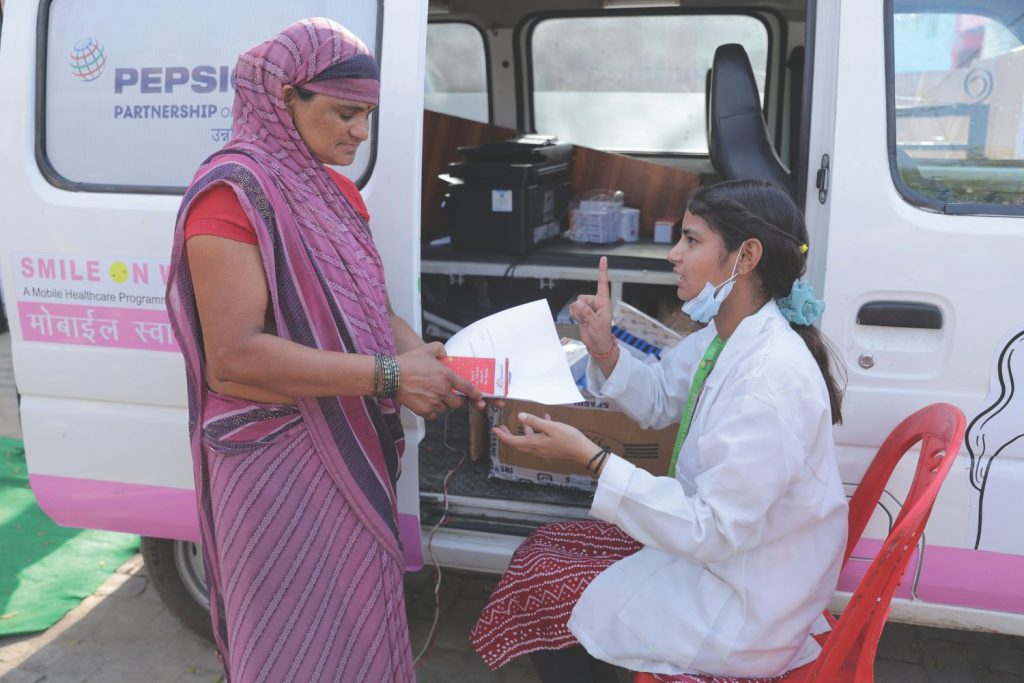
Mobile medical vans and local camps provide
maternal-child check-ups and hemoglobin tests. In Mathura’s new “Pink Smile” initiative, fortnightly anaemia camps reach thousands of women and girls.
Nutrition education and fortified foods:
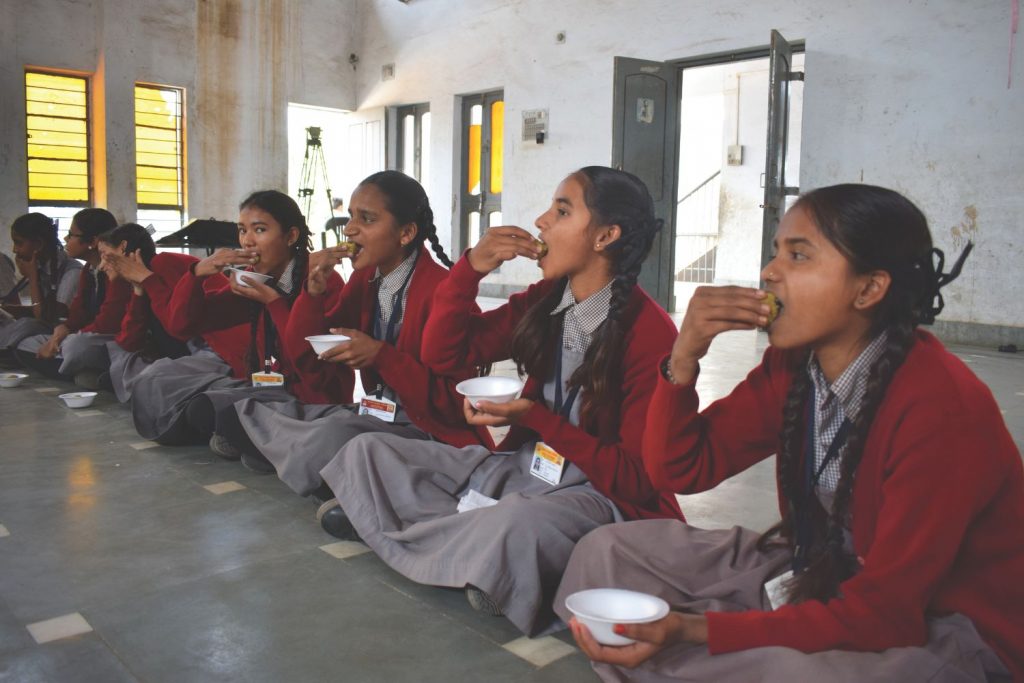
Interactive sessions and recipe kits teach families how to use local foods for nutrition. In Gujarat’s Banaskantha, Smile distributed 15,000 fortified “laddoos” (iron-rich snacks) over 10 months alongside IFA tablets. More than 70% of the girls in that programme showed gains in hemoglobin and BMI.
Adolescent and maternal counseling:
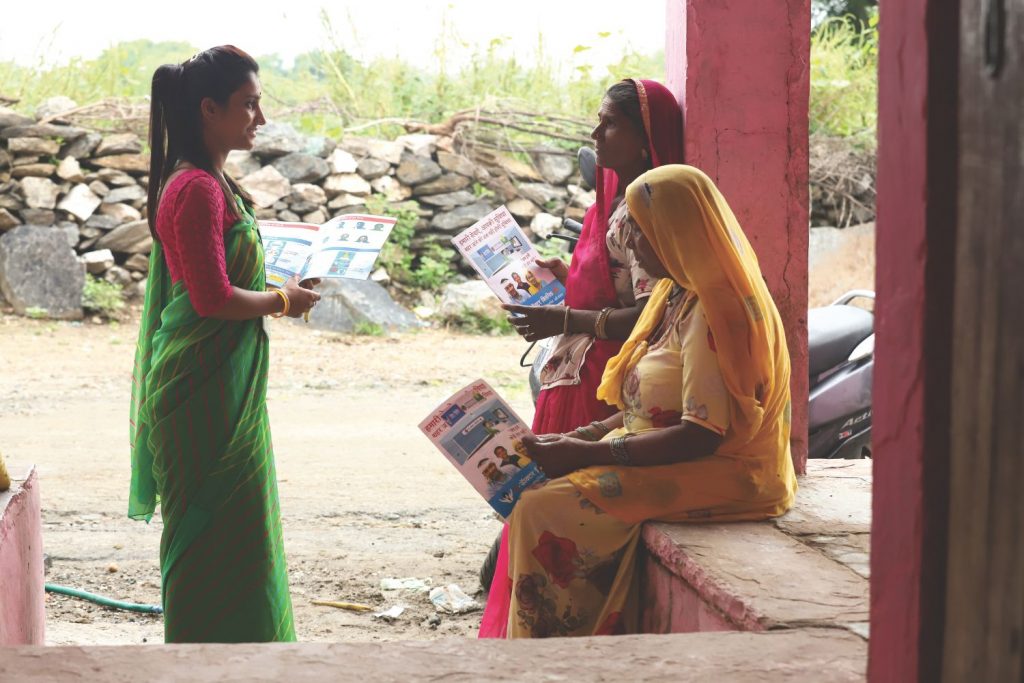
Peer groups and home visits reinforce healthy behaviours.
Capacity-building of local workers:
Training Anganwadi staff and teachers ensures
sustainability.
These elements multiply impact by engaging the whole community.
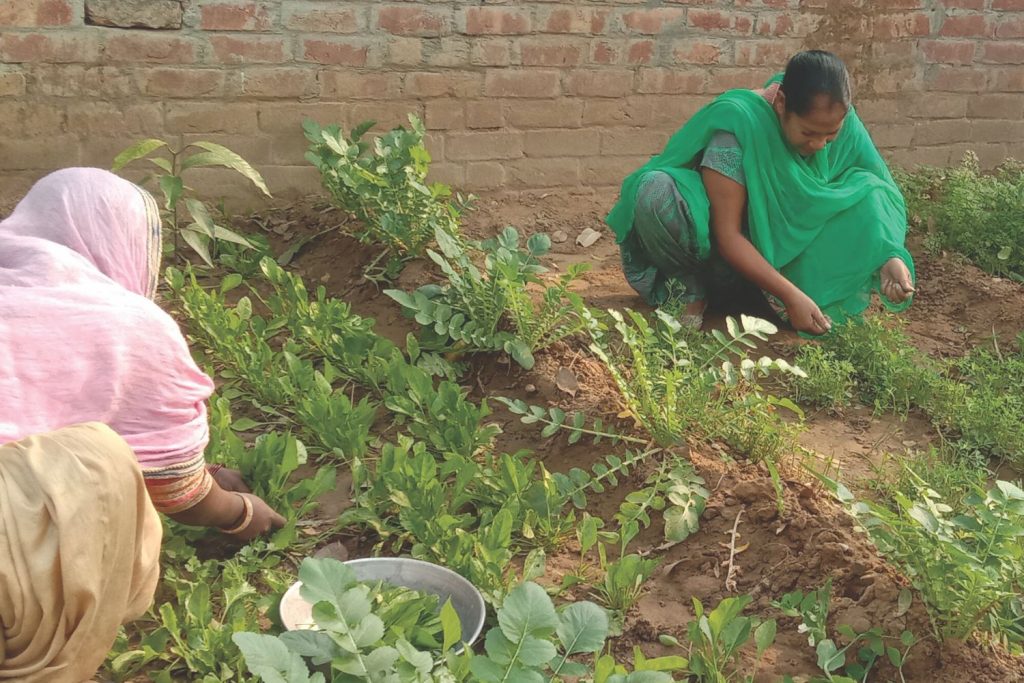
In Sangrur district, a three-year Nutrition Enhancement Programme demonstrates the scale of this approach. It reached 23 villages and impacted over 60,000 people, including pregnant women, lactating mothers and young children, plus their families. Through this effort, Smile teams and officials held 260 health camps offering nutrition and anaemia screening. They also conducted nearly 9,750 community sessions and home visits on diet and self-care. The results have been encouraging. Local officials report that anaemia rates among school children plummeted from ~40.6% to just 2.7% within six months of the intervention. By coupling government resources (mid-day meals and IFA distribution) with kitchen gardens, counsellors and camps, Sangrur has virtually eliminated anaemia in some piloted schools – proof that “integration” works.
In Mathura’s rural Chhata Tehsil, Smile Foundation partnered with PepsiCo India on the recent Pink Smile project to tackle anaemia and malnutrition in 10 villages. In its pilot phase, the programme has already reached 4,200 villagers (women, adolescents and children) and aims to cover over 40,000. Pink Smile brings together mobile medical vans, fortnightly anaemia screening camps and nutrition education. For example, local health teams distribute low-cost, high-nutrition recipes and food kits to pregnant women, set up kitchen garden kits for families and train ASHAs on counseling methods. These hands-on, on-site services ensure early diagnosis and follow-up – anaemia cases are caught at screening camps, treated promptly and mothers receive regular dietary advice. This multi-pronged model combining front-line care with community nutrition is designed to boost the impact of existing schemes by meeting people where they live.
Banaskantha is one of India’s Aspirational Districts and was the focus of Smile’s Project Sampoorna. Launched in 2018, Sampoorna worked with 1,000 adolescent girls (age 14–19) across 10 villages, all diagnosed with mild-to-severe anaemia. Over 10 months, each girl received the special fortified laddoo twice a week, along with iron-folic tablets, multi-vitamins and deworming as needed. Intensive education sessions taught the importance of iron-rich diets and kitchen gardening. The outcome translated into severe-to-moderate anaemia in the group where it fell from ~78% to about 34%. Underweight prevalence dropped from 70.2% to just 13.8%, and girls in the “normal” BMI range rose from 29.5% to 86.1%. In practical terms, 70%+ of participants reported significantly better haemoglobin and body-mass index after the programme.
One girl’s story illustrates the human side of these numbers. Sahisa, a teenager from a village in Banaskantha, arrived at Sampoorna severely anaemic and had even dropped out of school from fatigue. Through regular laddoos, supplements and close follow-up by Smile’s team, her health rebounded. Over a few months, she regained strength and energy. Sahisa returned to her village school and even enrolled in a vocational training course. Sahisa’s turnaround highlights that defeating anaemia can literally turn lives around.
The benefits of curing anaemia ripple far beyond haemoglobin levels. A well-nourished girl is more likely to stay in school, concentrate in class and develop skills – boosting her future earning potential. Studies confirm this link – iron deficiency in childhood causes cognitive and physical delays that lead to “lower schooling and productivity loss” in adulthood. In practical terms, the gains seen in these projects have meant better school attendance and participation. Families also report that healthier mothers can care for their families and work more effectively. By improving nutrition and health, these programmes strengthen human capital. It’s a beautifully interconnected landscape of educated children, productive adults and ultimately stronger rural economies.
Taken together, the experience in Punjab, UP and Gujarat shows that community-led solutions reinforce the public health system and amplify government efforts like Anaemia Mukt Bharat by adding local ownership and continuous follow-up. Tackling maternal and neonatal anaemia demands a systems approach that combines government resources with grassroots engagement.
India’s anaemia programmes have always been built on IFA supplementation and allied public health services, and rightly so. By adding regular community screenings, kitchen gardens, nutrition education and adolescent engagement to the national IFA drive, programmes like Smile Foundation’s are bridging the gap between policy and practice. These integrated projects keep families and local leaders involved, reinforce health workers’ efforts and link wellbeing to tangible gains. The result is that young women like Sahisa emerge not only anaemic-free but empowered as a generation of healthier mothers and workers in the making.
Anaemia has long thrived in silence, quietly weakening generations. But in addressing it, there lies a rare opportunity for generational uplift. When the smallest lives are strengthened, the cascading impact is deeply felt in classrooms, economies and futures.
Sarva Shiksha AbhiyanNational Education Policy Beti Bachao, Beti Padhao Digital India

Skill IndiaEnhancing Formal Skilling
National Rural Health Mission Universal Health CoverageNational Digital Health Mission Promotion of Govt. Health Schemes

Anaemia Mukt Bharat Poshan Abhiyan Atmanirbhar Bharat Abhiyan Anganwadi Strengthening