

For decades, Artificial Intelligence (AI) was something we imagined in science fiction — a vision of the future. That future is now here. From voice assistants and chatbots to self-driving cars and automated workplaces, AI has rapidly become part of everyday life. It no longer just performs repetitive tasks; it now thinks, learns and even creates, reshaping how we live and work.
As AI evolves, the job market is transforming alongside it. Routine and data-driven roles are increasingly being automated, while entirely new ones are emerging — roles that demand digital fluency, critical thinking and human adaptability. The real challenge now is to understand not only which skills AI is making redundant but also which ones it is amplifying — and how we can prepare for this shift rather than resist it.
Which Skills is AI making Redundant?
AI has become one of the most powerful forces reshaping industries. Once considered futuristic, it now powers everything from automated banking systems to logistics hubs and smart factories. Its growing intelligence raises important questions about the future of jobs — and what it means to be human in a world of machines.
The short-term effects are already visible. AI excels at automating routine, rule-based tasks — anything that can be broken down into clear, predictable steps. Data entry, transcription and form processing are being overtaken by algorithms that perform these tasks faster, more accurately, and without fatigue.
According to a 2023 Goldman Sachs report, nearly 300 million full-time jobs worldwide could eventually be automated by AI. The IMF projects that 40% of global jobs will be affected in some form. The most vulnerable are administrative and clerical roles, which involve processing large volumes of structured data. Organisations now use AI-powered tools to handle invoices, schedule workflows and even screen job applications. Robotic Process Automation (RPA) — once a buzzword — is now replacing junior-level administrative jobs.
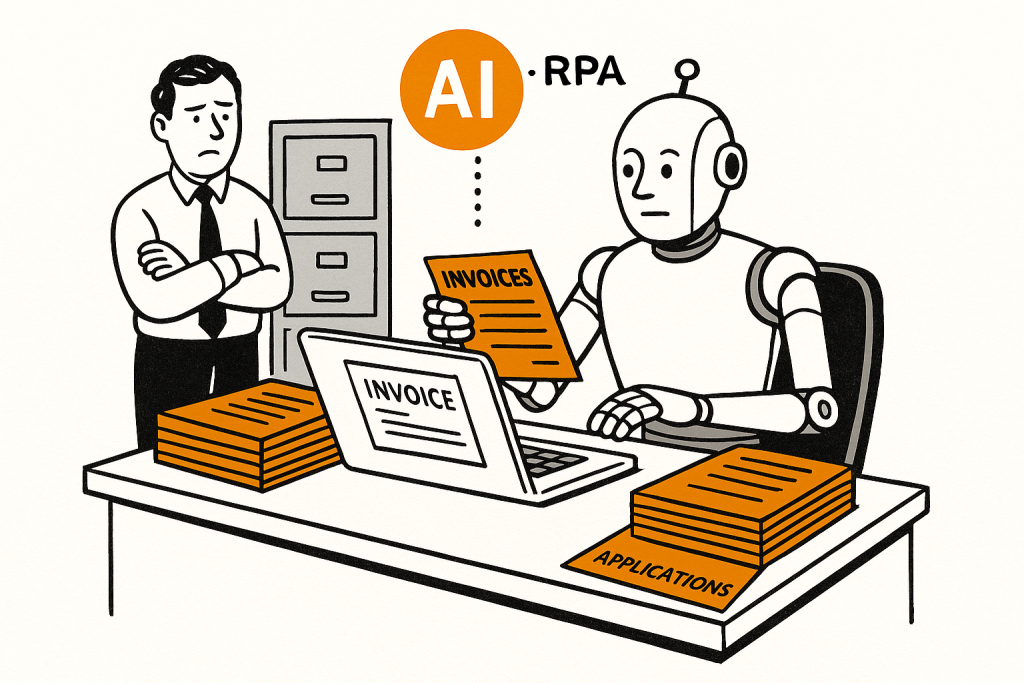
But AI’s reach extends beyond data. It’s entering creative and technical fields once thought uniquely human. Generative AI can now produce written content, design graphics, compose music and write computer code. Junior programmers increasingly rely on coding assistants like GitHub Copilot, which can generate and debug code automatically. Research shows that such tools can automate up to 40% of programming tasks, reducing the need for entry-level developers. Similarly, journalists and content writers are already competing with AI systems that can produce short news summaries, reports and marketing copy in minutes.
In manufacturing and logistics, the transformation is even more visible. Robots perform repetitive physical tasks with precision and endurance. McKinsey’s 2024 report estimates that by 2030, up to 25% of tasks across all industries could be automated — particularly those that are routine or labour-intensive.
This does not necessarily mean mass unemployment. What it does mean is a profound restructuring of what work looks like. The key question isn’t whether AI will replace jobs — it’s which parts of jobs it will replace and how humans can build the skills to fill what remains.
Artificial Intelligence is creating New Roles
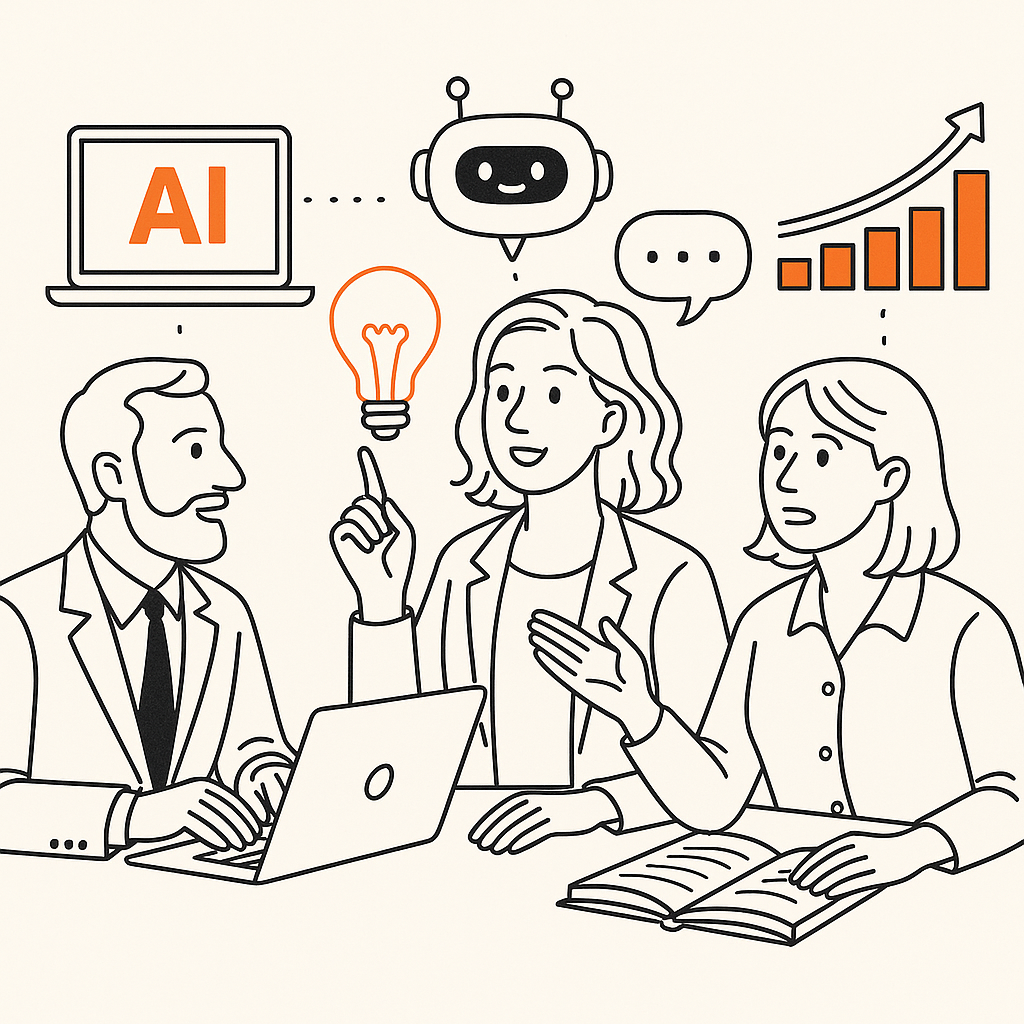
Artificial Intelligence may displace some roles, but it also creates new ones. Every technological revolution has done so. The rise of AI has already accelerated demand for specialists in data science, AI ethics, cybersecurity and digital policy.
These are roles that require oversight, judgment and creativity — qualities AI cannot replicate. As machines take over predictable tasks, human attention shifts to strategy, design and the kind of problem-solving that requires context and empathy.
The challenge, however, is that this transition demands reskilling on a global scale. Workers will need access to continuous learning and education systems will need to teach not just digital skills but adaptive, human ones — the ability to collaborate with technology rather than compete against it.
Those who learn to work with AI, rather than fear it, will shape the next wave of innovation.
Which Skills will Artificial Intelligence not Replace?
Paradoxically, the more sophisticated Artificial Intelligence becomes, the more valuable uniquely human skills will be.
Creativity, critical thinking, emotional intelligence and ethical judgment are not programmable. AI can generate art, but it cannot feel awe. It can write a poem, but not mean it. It can optimise a process, but it cannot decide why it should exist in the first place.
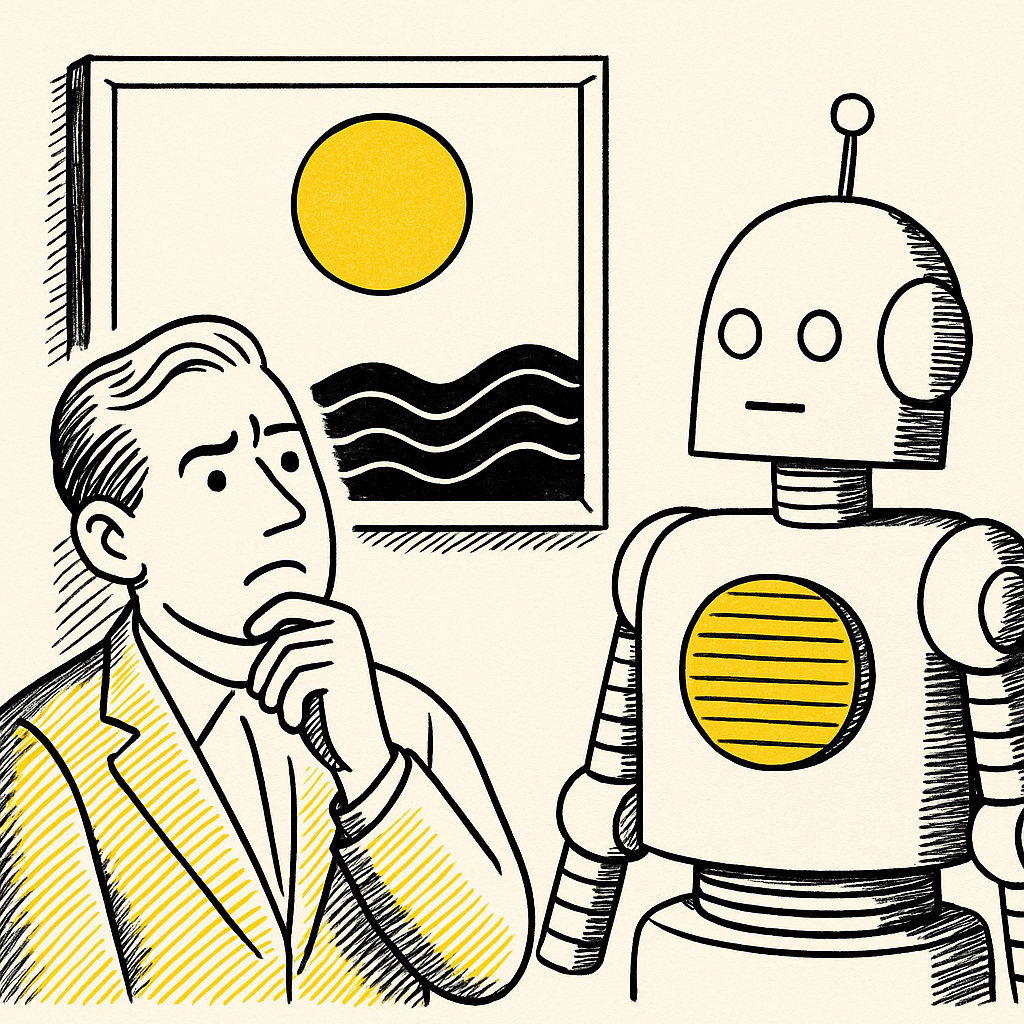
In creative industries, AI can assist — but not originate. It can help a writer brainstorm or a designer visualise, but it cannot substitute imagination or emotional resonance. Genuine originality, empathy and purpose remain the hallmarks of human contribution.
AI also struggles with ambiguity. It can analyse, but it cannot interpret uncertainty or understand human nuance. Financial analysts, researchers and strategists rely on judgment shaped by experience and intuition — things AI lacks.
Equally, jobs that depend on human connection — healthcare, education, leadership, counselling — are unlikely to be automated. These roles rely on empathy, persuasion and moral understanding. A robot might help manage patient data, but it cannot hold a hand or deliver difficult news with compassion. AI can provide information, but it cannot build trust.
Furthermore, as AI becomes more powerful, it introduces new risks — bias, misinformation, ethical dilemmas and accountability gaps. This means there will be an even greater demand for professionals who can design, regulate and oversee AI systems responsibly. Lawyers, ethicists and human-centered designers will play vital roles in ensuring AI aligns with human values.
In short, AI will replace repetitive and data-heavy tasks — but it will also elevate the value of being human. Creativity, empathy, collaboration and ethical reasoning are not “soft skills.” They are the future’s most resilient assets.
Integrating AI into Education
Education will be the front line of this transformation. If work is changing, learning must too.
AI offers immense promise in education, particularly in STEM fields. It can personalise learning, automate grading and provide intelligent tutoring. By analysing educational data, AI can identify gaps and help teachers tailor instruction more effectively.
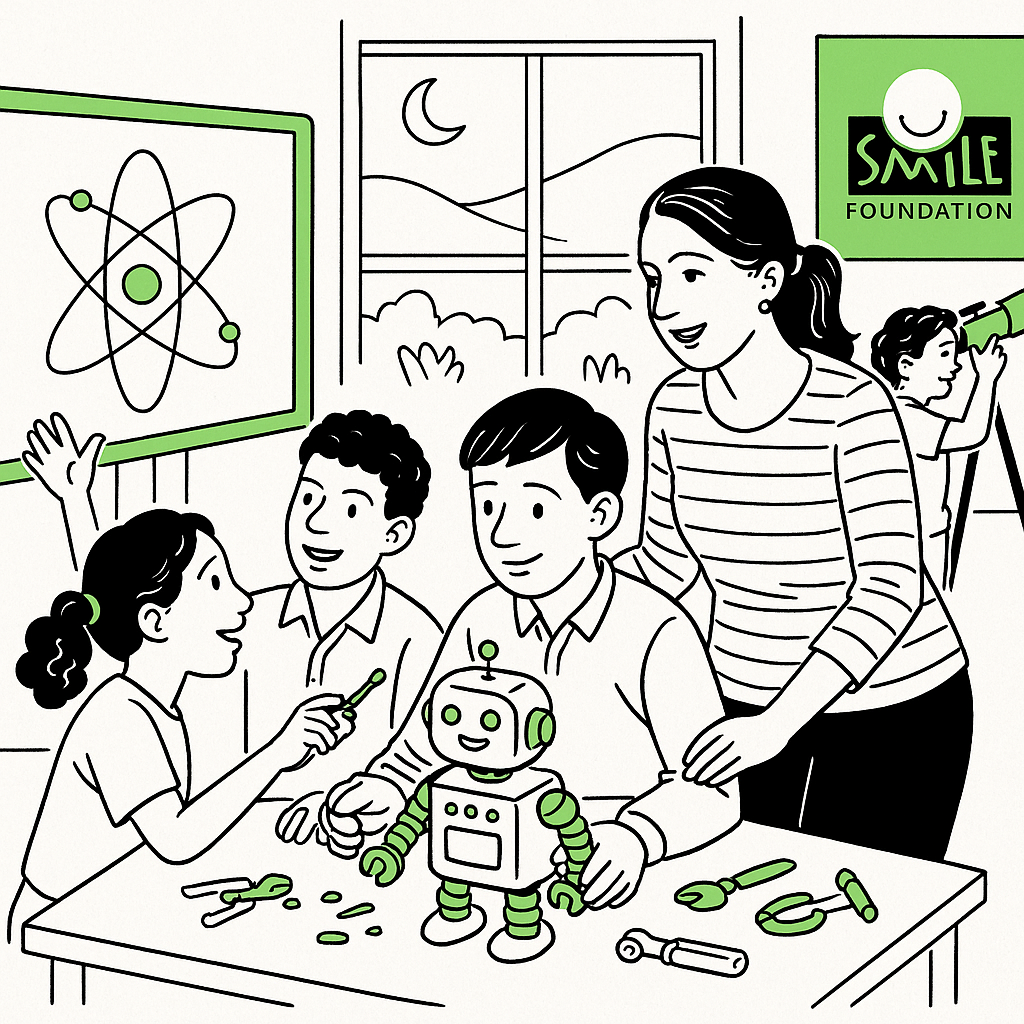
Smile Foundation is already leveraging technology and AI to make education more inclusive and future-ready. Working with governments and schools, the organisation brings quality digital learning to remote areas through technology-enabled classrooms and teacher training.
Our focus on STEM-based, AI-integrated teaching helps educators use digital tools in classrooms, conduct interactive workshops and inspire curiosity through hands-on activities like robotics, 3D printing and astronomy. By combining human creativity with technological precision, Smile Foundation is preparing teachers and students to thrive in a digital world.
The Way Forward
AI will continue to reshape economies and societies — not as a single wave of automation, but as an evolving partnership between human and machine intelligence.
The real winners will not be those who resist change, but those who adapt, learn and lead with empathy. The question is not how many jobs AI will replace, but how many human possibilities it will expand.
In this new world, the most essential skill may be the one that’s always defined us — the ability to keep learning.