


When ChatGPT entered the classroom two years ago, India’s universities were filled with unease. Could artificial intelligence be trusted in a space that has long prized originality and critical thinking? That question is now giving way to something far more constructive. A new report by Ernst and Young-Parthenon and FICCI finds that more than 60 per cent of higher education institutions in India now permit students to use AI tools. Over half of them use generative AI to create learning materials, while 40 per cent rely on AI-powered tutoring systems and chatbots.
This marks a turning point for higher education in India. AI is no longer an optional experiment. It is becoming the infrastructure through which knowledge is designed, delivered and assessed.
From Disruption to Design
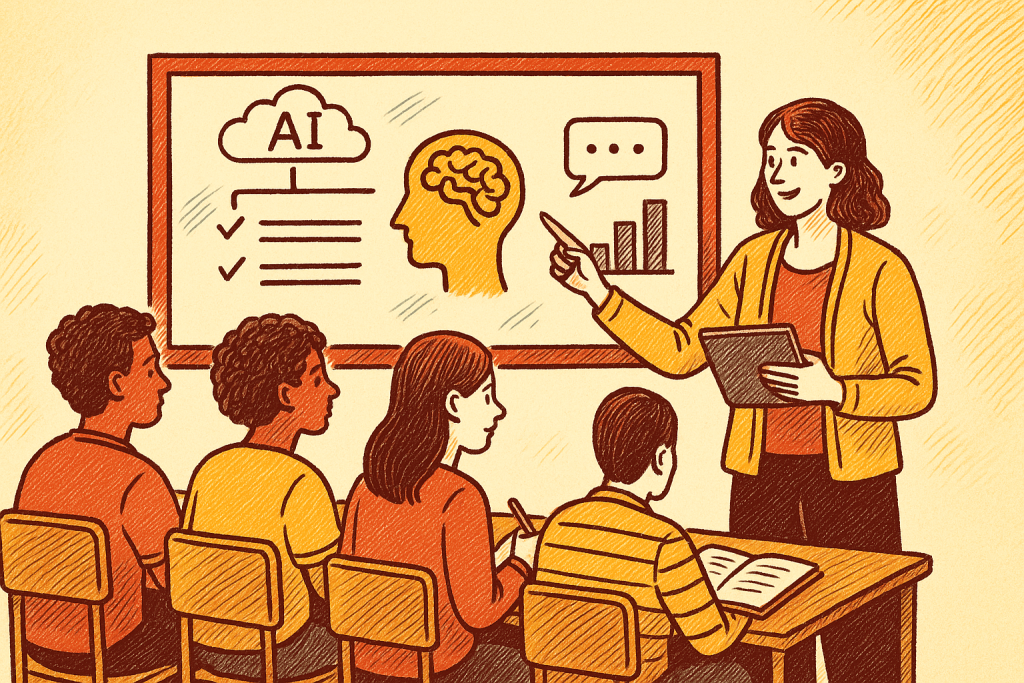
AI has become part of the daily rhythm of higher education. Adaptive learning platforms are customising lessons for students. Automated grading systems are helping teachers focus on mentorship and research. Chatbots and virtual tutors are answering student queries even after class hours. These applications are not replacing teachers but helping them teach better and reach further.
The report also shows that over half of Indian universities have already implemented AI-related policies. This reflects a growing understanding that technology must be guided by ethics, governance and intent.
Rethinking How We Learn
AI is also changing how students think. When a generative tool can write a paper in seconds, the true test of education becomes interpretation, analysis and creativity. Many faculty members now ask students to evaluate AI-generated work rather than prohibit its use. In doing so, they are helping students develop the ability to think critically about technology rather than depend blindly on it.
For science and technology programmes, universities are embedding content on machine learning, robotics and natural language processing into their curricula. In the humanities and social sciences, AI literacy is becoming a basic skill, much like digital fluency once was. Every graduate now needs to understand not only how AI works but also how it shapes society.
The Question of Ethics and Equity
As the report points out, AI’s rapid adoption also brings new risks. Many platforms depend on sensitive data such as student submissions and engagement records. Without strong governance systems, institutions could face breaches of privacy, bias in decision-making and reputational harm. These concerns cannot be solved by individual teachers. They require institutional policies, transparent partnerships with technology providers and regulatory oversight that protects both learners and educators.
At the same time, the conversation on AI in education must go beyond elite institutions. The risk is not that AI will replace teachers, but that it will deepen inequalities between those who have access to digital tools and those who do not.
This is where civil society has stepped in. Organisations such as Smile Foundation are showing what equitable AI adoption can look like. Through our Digital Learning and STEM Innovation initiatives, Smile Foundation is introducing AI-supported learning tools in rural and low-resource schools. Our solar-powered digital classrooms and teacher training modules use AI to personalise lessons for children who often study in multilingual environments and have limited access to quality teaching resources. The focus is not on gadgets, but on inclusion. By training teachers and embedding ethical AI use into learning design, Smile Foundation is ensuring that the next generation of learners can use technology as a bridge, not a barrier.
Building Future-Ready Campuses
The idea of a “future-ready campus” is not only about smart classrooms or algorithms. It is about preparing students for a world where intelligence is shared between humans and machines. The faculty of the future will be designers of learning ecosystems that combine empathy with efficiency. The students of the future will need to interpret, question and improve what AI produces.
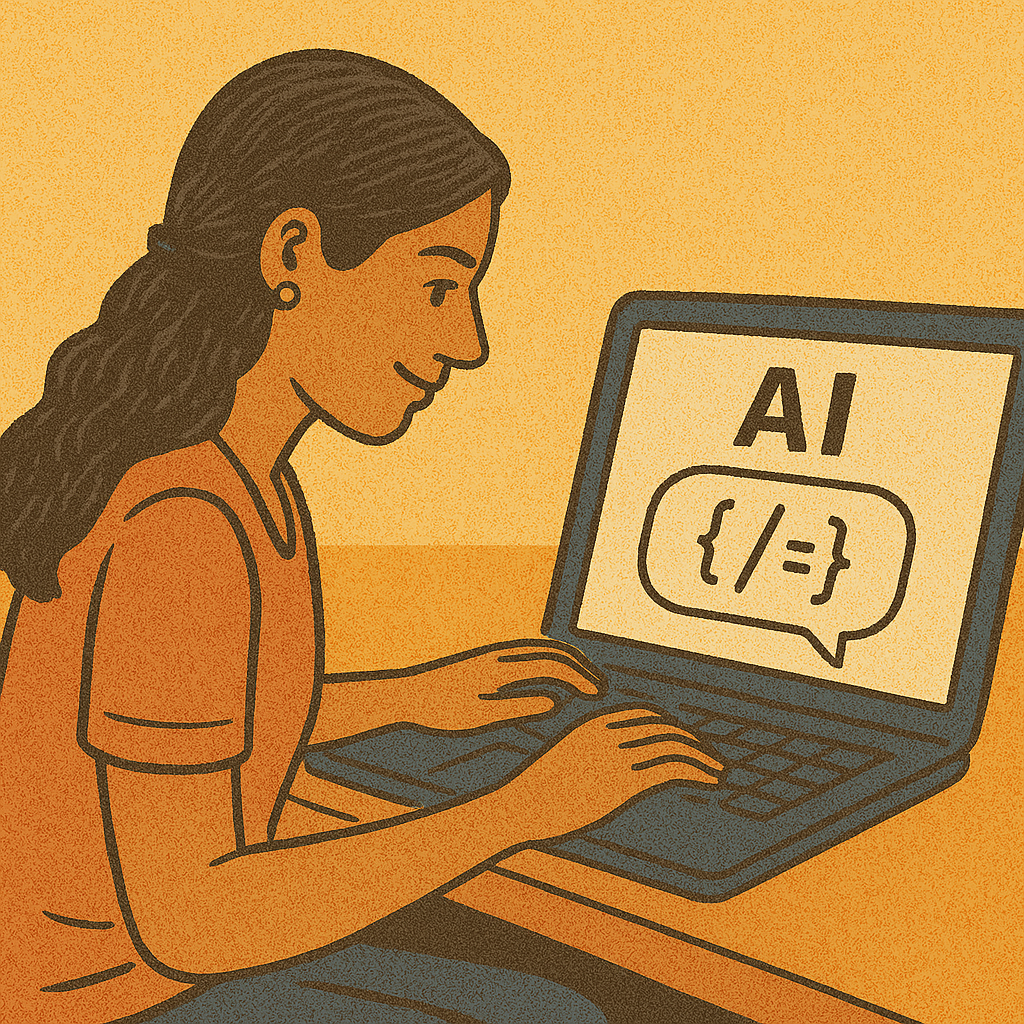
For a country with more than 40 million students in higher education, this shift could redefine the very purpose of learning. The goal is no longer just to master information but to understand how information itself is created and used.
From Adoption to Adaptation
India’s National Education Policy 2020 called for flexible, multidisciplinary and technology-enabled learning. AI now provides the means to make that vision real. But to do so, institutions must move beyond adoption to adaptation. Public universities need investments in faculty development, AI literacy, and ethical governance. Private institutions must ensure that their use of AI remains transparent and inclusive.
AI is not a passing phase in education. It is a new language of learning that blends logic with creativity, precision with compassion. The challenge before us is to make sure that every student in India can speak it fluently.